
When to See a Dentist About Wisdom Teeth
15 September 2026
Discomfort at the very back of your mouth can be hard to interpret. If you searched for a wisdom dentist because a back molar area feels sore, swollen or difficult to clean, a dental assessment is sensible when symptoms persist, keep returning or interfere with eating, jaw movement or sleep.
Wisdom teeth are the third molars at the back of the mouth. They often appear in the late teenage years or early adulthood, although timing varies. Some wisdom teeth come through without causing trouble. Others become partly stuck, difficult to clean or affected by decay or gum inflammation. The aim of seeing a dentist is not automatically to remove them. It is to understand what is happening and whether monitoring, cleaning support, treatment or referral may be appropriate.
Common signs you should have wisdom teeth checked
Wisdom tooth symptoms can feel like ordinary toothache, gum soreness or jaw tension. Because several dental problems can feel similar, it is better not to guess the cause from symptoms alone.
You may want to book a dental appointment if you notice:
- Pain, pressure or throbbing behind the back molars
- Swelling, redness or tenderness in the gum at the back of the mouth
- Food repeatedly catching around a partly erupted tooth
- Bad taste, bad breath or discharge near the gum
- Difficulty opening your mouth comfortably
- Pain when biting or chewing on one side
- A wisdom tooth that appears to be growing at an angle
- Repeated headaches or jaw soreness that seem linked to the back teeth
A wisdom dentist can check whether the problem is related to the wisdom tooth itself, the surrounding gum, the tooth in front or another issue such as jaw joint strain. This matters because the right care depends on the cause.
| Symptom pattern | What it may suggest | How soon to seek advice |
|---|---|---|
| Mild pressure that comes and goes | Eruption or gum irritation may be involved | Routine appointment if it persists or returns |
| Swollen gum flap around the tooth | Food trapping or inflammation may be involved | Prompt dental appointment |
| Bad taste, pus, facial swelling or fever | Infection may be present | Same-day dental or medical advice |
| Trouble swallowing, breathing or opening the mouth | Infection may be spreading or another urgent issue may be present | Emergency medical care |
Why wisdom teeth can become uncomfortable
Wisdom teeth can cause discomfort when there is not enough room for them to come through cleanly. A tooth may be impacted, meaning it is fully or partly trapped under gum or bone. It may also be partly erupted, where only some of the tooth has broken through the gum.
Partly erupted wisdom teeth can be awkward to clean. Food and bacteria may collect under a small gum flap, which can lead to inflammation around the tooth. Dentists often call this pericoronitis. The tooth in front can also be harder to keep clean if a wisdom tooth presses against it or creates a difficult pocket.
According to Healthdirect Australia, wisdom teeth may not cause symptoms, but they can be associated with pain, infection or tooth decay in some people. A wisdom dentist may recommend an X-ray if the position of the tooth cannot be assessed properly by looking in the mouth alone.
Crowding is a common concern, but wisdom teeth are not the only reason teeth may shift over time. Tooth movement can be influenced by ageing, bite forces, gum health, previous orthodontic treatment and individual anatomy. Your dentist can discuss what is more likely in your situation.
When symptoms may need same-day attention
Not every wisdom tooth niggle is an emergency. Mild irritation that settles quickly may be checked at a routine appointment, especially if you are otherwise well. However, some symptoms should be assessed promptly.
Seek same-day dental advice if you have increasing pain, swelling around the jaw or cheek, a bad taste that does not go away, pus near the tooth, fever, swollen glands or difficulty opening your mouth. If you have trouble breathing, trouble swallowing, rapidly spreading facial swelling or feel seriously unwell, seek urgent medical care.
If you are on the Central Coast and are unsure whether a dental concern should be seen today, the All About Smiles article on what to do when you need a dental clinic open today explains how to think through urgent, prompt and routine situations.
While waiting for an appointment, you can gently clean the area as well as you can, rinse with warm salt water if it is comfortable and take over-the-counter pain relief only as directed on the packet or by a health professional. Avoid placing aspirin directly on the gum, trying to drain swelling yourself or delaying care if swelling or fever is present.
How a wisdom dentist assesses your options
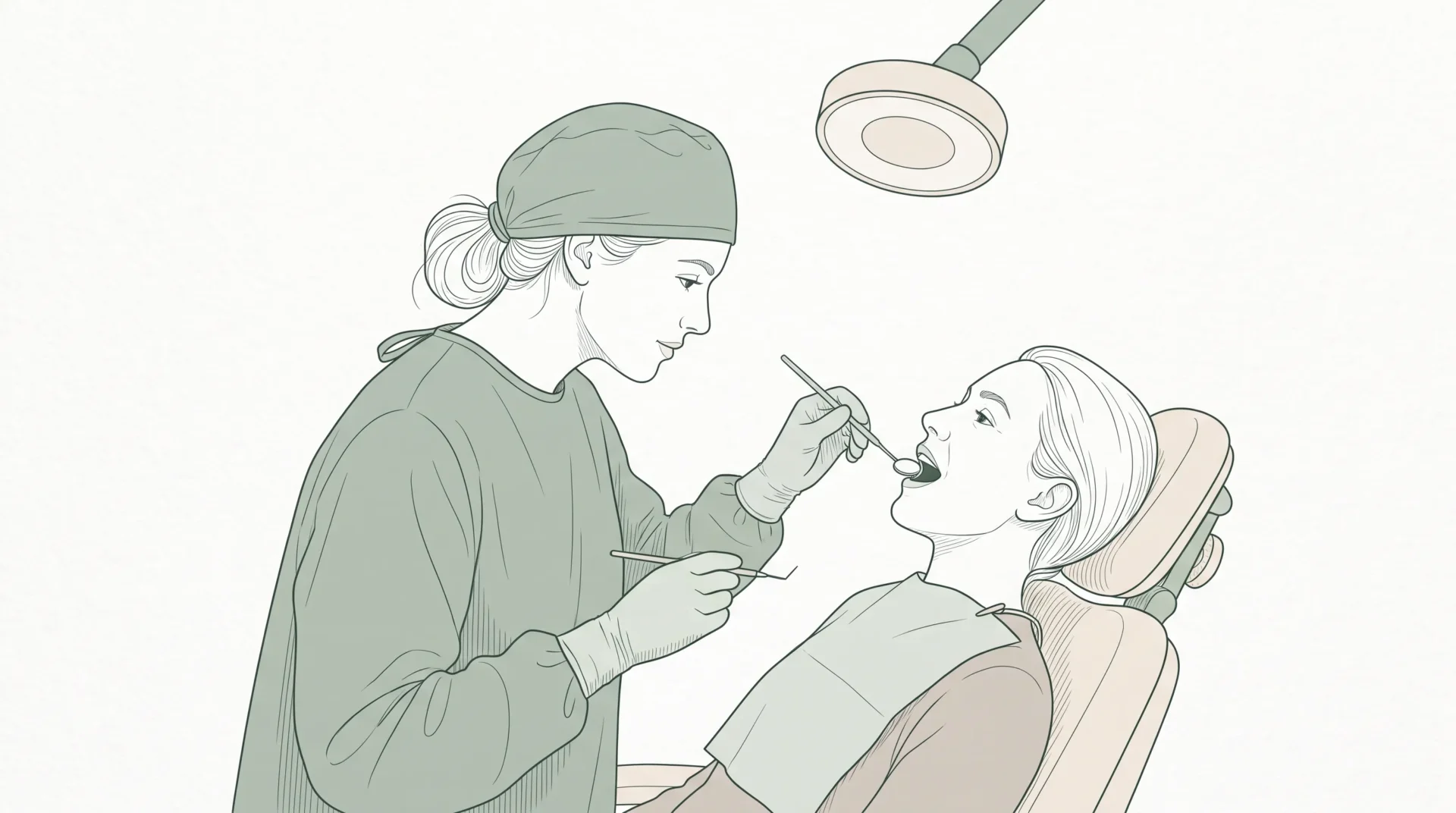
When you see a wisdom dentist, the appointment usually begins with a discussion about your symptoms, how long they have been present and whether they are improving, worsening or recurring. Your dentist may ask about your medical history, medications, allergies, pregnancy, previous dental treatment and whether you have had swelling or infection before.
The examination may include checking the gum around the wisdom tooth, the tooth in front, your bite, jaw movement and any signs of infection. Dental X-rays may be recommended if they are clinically appropriate. These can help show the angle of the wisdom tooth, whether it is impacted and how close it sits to nearby structures.
After the assessment, your dentist can explain what they have found in plain language. Depending on the situation, possible next steps may include monitoring, improved cleaning around the tooth, treatment for decay or gum inflammation, removal of the wisdom tooth or referral to an oral and maxillofacial surgeon for more complex cases.
Do all wisdom teeth need to be removed?
No. Some wisdom teeth can remain in place if they are healthy, fully erupted, positioned well, easy to clean and not causing damage to nearby teeth or gums. Removal is generally considered when the risks of leaving the tooth are judged to outweigh the risks of treatment.
A wisdom dentist may discuss removal if a wisdom tooth is repeatedly infected, badly decayed, damaging the tooth in front, associated with a cyst or unlikely to be cleaned effectively because of its position. The decision should be based on your examination, X-rays where needed, symptoms, general health and preferences.
Wisdom tooth removal can range from a straightforward extraction to a more complex surgical procedure. As with all dental procedures, there are potential benefits and risks. Possible risks can include bleeding, infection, dry socket, jaw stiffness, swelling, temporary or rarely longer-lasting altered sensation if nearby nerves are affected, sinus-related issues for some upper wisdom teeth and reactions to anaesthetic medicines. Your dentist should explain the risks that are relevant to your tooth position and health history.
If removal is not recommended, your dentist may suggest periodic monitoring and practical cleaning advice. This may include showing you how to reach the area with a small brush or other cleaning aids, depending on what is safe and suitable for your mouth.
What to prepare before your appointment
A little preparation can make the appointment more useful. Try to note when the symptoms started, whether they come and go, what makes them worse, what you have taken for relief and whether you have had swelling, fever or a bad taste.
Bring a list of medications, allergies and relevant medical conditions. If you have recent dental X-rays from another clinic, ask whether you can bring or transfer them. This may reduce the need to repeat imaging, although your dentist will decide what is clinically necessary.
A wisdom dentist can give clearer advice when they understand both the dental problem and your broader health circumstances. If you feel nervous, have had a difficult dental experience before or are worried about cost, mention this early so the team can discuss your options and what information you need before making a decision.
For a broader appointment checklist, you may find the All About Smiles guide on how to prepare for a dental consultation useful. Parents and carers may also find it helpful to understand how general family dentistry changes through life, particularly as teenagers and young adults reach the stage where wisdom teeth may be assessed.
Frequently asked questions
Can wisdom tooth pain go away on its own? Mild irritation can sometimes settle, especially if a tooth is erupting and the area is kept clean. Pain that persists, worsens or keeps returning should be assessed, because infection, decay or gum inflammation may need treatment.
Does wisdom tooth pain always mean the tooth needs to come out? No. Treatment depends on the cause, tooth position, oral health and your individual circumstances. Monitoring, cleaning advice or treating a related problem may be appropriate in some cases, while removal may be considered in others.
Can antibiotics fix a wisdom tooth infection? Antibiotics may be used in some dental infections when clinically indicated, but they do not always remove the source of the problem. A dental assessment is needed to decide whether further treatment is required.
Should teenagers have wisdom teeth checked before they hurt? Routine dental visits can help monitor tooth development, including wisdom teeth when relevant. Not every teenager needs X-rays or treatment, but a dentist can advise whether assessment is appropriate based on age, symptoms and oral health.
What if my wisdom tooth is growing sideways? A sideways or angled wisdom tooth may be impacted or partly impacted. A wisdom dentist can examine the area and may recommend an X-ray to assess whether monitoring, treatment or referral should be considered.
Discuss wisdom teeth with All About Smiles
If your wisdom teeth are sore, swollen, hard to clean or worrying you, you can book an appointment with All About Smiles at either the Ettalong or Kincumber location. The team can assess your symptoms, explain what may be happening and discuss options that suit your individual needs.
For urgent symptoms such as facial swelling, fever, difficulty swallowing or rapidly worsening pain, seek prompt dental or medical advice rather than waiting for the problem to settle on its own.
Disclaimer
The information provided on this website is for general informational and educational purposes only. It is not intended to replace professional dental advice, diagnosis or treatment. Dental needs and treatment outcomes vary between individuals. Always seek advice from a qualified dental practitioner regarding your specific circumstances before making decisions about your oral health or treatment. A consultation and clinical assessment are required to determine which treatment options may be suitable for you. All dental procedures carry potential risks and benefits, which will be discussed with you before treatment.