
How General Dentistry and Orthodontics Work Together
17 September 2026
Most people think of dental check-ups and braces or aligners as separate types of care. In reality, general dentistry and orthodontics work together because tooth movement is safest to plan when the teeth, gums and jaw are assessed first. A general dentist looks at your everyday oral health, including decay risk, gum health, fillings, crowns and oral hygiene. Orthodontic care focuses on tooth position, bite alignment and how the upper and lower teeth meet.
For patients on the Central Coast, this matters whether the goal is easier cleaning, a more comfortable bite, preparation for other dental treatment or discussing the appearance of the teeth. Suitability depends on your oral health, medical history, age, anatomy and preferences, so a clinical assessment is needed before any treatment can be recommended.
Why general dentistry and orthodontics are often planned together
General dentistry is the foundation of dental care. It includes check-ups, cleans, fillings, gum care, X-rays when clinically needed, toothache assessment and ongoing prevention. Orthodontics looks at the position of the teeth and jaws, using options such as braces or clear aligners where suitable.
The two areas overlap because teeth do not move in isolation. They sit in gums and bone, they may contain fillings or crowns and they are affected by the way you bite, brush and chew. In practice, general dentistry and orthodontics often overlap when a dentist needs to confirm that tooth movement is appropriate before treatment begins.
| Area of care | Main focus | Why it matters |
|---|---|---|
| General dental care | Teeth, gums, decay risk and symptoms | Helps identify issues that may need attention before tooth movement |
| Orthodontic care | Tooth position, spacing, crowding and bite alignment | May help improve cleaning access, bite comfort or tooth positioning |
| Ongoing maintenance | Cleans, reviews and home care | Helps reduce avoidable interruptions during orthodontic treatment |
| Restorative planning | Fillings, crowns, implants or veneers | Helps time treatment in a logical order where several needs exist |
If you would like a broader overview of routine care, All About Smiles has a patient guide to general dental services for everyday oral health.
What a general dentist checks before orthodontic treatment
Before general dentistry and orthodontics are planned together, your dentist will usually assess whether the mouth is healthy enough for braces, aligners or another orthodontic option. This does not mean every issue must be treated in the same way for every person. It means the dentist needs a clear picture before recommending a safe and appropriate sequence.
The assessment may include checking for tooth decay, cracks, worn teeth, gum inflammation, loose teeth, wisdom tooth concerns or past dental work that could affect planning. X-rays or scans may be discussed if your dentist considers them clinically necessary.
Gum health is especially important. If gums are inflamed or there is active periodontal disease, moving teeth may not be suitable until this has been assessed and managed. Good oral hygiene also matters because brackets, wires and aligners can make cleaning more involved.
A dentist may also talk through lifestyle factors such as snacking habits, grinding, sport, medical conditions and medicines that can affect the mouth. These details help shape a plan that suits the person, not just the position of the teeth.
How orthodontics may support everyday oral health
For some patients, general dentistry and orthodontics work together because tooth position affects how easily the mouth can be cleaned. Crowded or overlapping teeth can trap plaque in areas that are hard to reach with a toothbrush or floss. Spacing, deep bites, open bites or crossbites can also affect how teeth contact each other.
Orthodontic treatment may be considered when tooth movement could support function, appearance or access for cleaning. It is not automatically needed for everyone with crooked teeth, and it is not a substitute for brushing, flossing and regular dental care.
Some general dentists provide orthodontic treatment within their scope, while some cases may be referred to a specialist orthodontist. The right pathway depends on complexity, growth, bite concerns, oral health and patient preferences. Orthodontics Australia provides general patient information about orthodontic care and specialist orthodontists in Australia.
If appearance is part of your concern, orthodontics may also sit alongside broader cosmetic planning. All About Smiles has a separate guide to understanding cosmetic dental treatment options that explains why oral health should be assessed before cosmetic treatment decisions are made.
During orthodontic care, general dental visits still matter
During treatment, general dentistry and orthodontics stay connected because teeth and gums still need routine care. Braces can create extra areas for plaque to collect. Clear aligners need careful cleaning and should be worn as directed if prescribed, but they also need to be removed for eating and drinking anything other than water.
A general dentist may recommend periodic checks and professional cleans during orthodontic treatment. The timing varies between patients. These visits can help monitor gum health, tooth surfaces, early decay risk, bite-related wear and any symptoms that arise.
Possible orthodontic risks can include temporary tenderness, gum inflammation, decalcification (white marks caused by mineral loss in enamel), tooth decay where plaque is not well controlled and, less commonly, root shortening. Your dentist or orthodontic provider can explain risks that may be relevant to your situation before treatment begins.
The Australian Dental Association's patient site, Teeth.org.au, has practical oral health information for Australian patients, including brushing, flossing and preventive care.
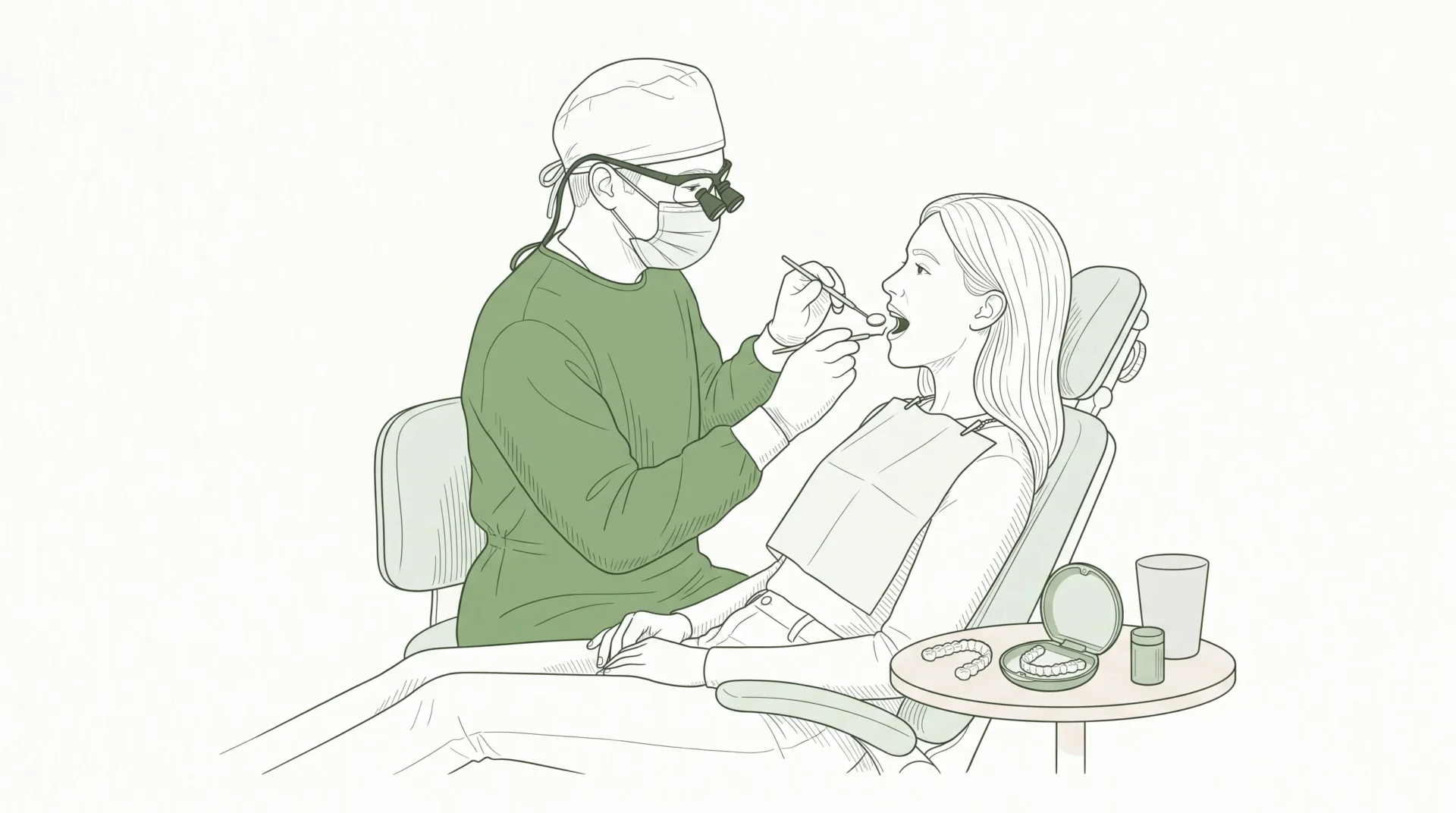
Planning fillings, crowns, implants or cosmetic care around tooth movement
This is one of the clearest examples of general dentistry and orthodontics working as a team. When someone needs a filling, crown, veneer, bridge or dental implant, the order of treatment can make a difference.
For example, a tooth may need decay treated before orthodontic movement begins. A crown may need to be assessed to see whether brackets or aligners can interact with it safely. If a tooth is missing, orthodontic planning may help manage the space before restorative options such as a bridge or implant are discussed. In cosmetic cases, tooth movement may sometimes reduce the amount of tooth reshaping needed, but this depends on the individual case.
There are also situations where restorative treatment should come first. If a tooth is painful, broken or affected by infection, it may need attention before a longer orthodontic plan is considered. If gum disease is active, stabilising gum health usually becomes the priority.
Treatment sequencing is individual. Your dentist can explain the advantages, limitations, costs and risks of different options so you can make an informed decision.
What an appointment may involve at All About Smiles
At All About Smiles, conversations about general dentistry and orthodontics usually begin with listening to your concerns, checking your oral health and discussing what you would like to understand or change. The team sees patients at both Ettalong and Kincumber, without treating the two locations as separate services.
An appointment may involve:
- A discussion about your concerns: You might mention crowding, spacing, bite discomfort, cleaning difficulty, tooth wear or cosmetic goals.
- A dental examination: Your dentist checks teeth, gums, existing dental work and signs of oral disease.
- Clinical records where needed: Photos, X-rays or scans may be discussed if they are appropriate for assessment and planning.
- A conversation about options: This may include general dental care, orthodontic options, monitoring, referral or staged treatment.
- A treatment sequence: If treatment is suitable, your dentist can explain what may need to happen first and why.
If you have children or teenagers, timing can be part of the discussion. Some orthodontic concerns are assessed during growth, while adult orthodontic treatment depends more on gum health, bone support, existing dental work and the complexity of tooth movement. For more age-based context, you may find the All About Smiles article on how general family dentistry changes through life useful.
Questions to ask before starting treatment
It is reasonable to ask practical questions before deciding on orthodontic treatment or any related dental care. Clear answers can help you understand what is being recommended and why.
Useful questions include:
- What oral health issues need attention before orthodontic treatment can start?
- Is orthodontic treatment suitable for my teeth, gums and bite?
- Are there alternatives, including monitoring or restorative options?
- What are the likely risks and limitations in my situation?
- How will treatment affect cleaning, eating and dental visits?
- Will I need care from a specialist orthodontist or another dental provider?
- How might treatment timing affect crowns, veneers, implants or other future dental work?
The aim is not to rush into treatment. It is to understand the role each part of care plays, then decide with your dentist what suits your needs and circumstances.
Frequently Asked Questions
Can I start orthodontic treatment if I need fillings? Sometimes, but decay or weakened tooth structure may need to be treated first. Your dentist can assess whether fillings, gum care or other general dental treatment should be completed before orthodontic movement begins.
Do I still need dental check-ups while wearing braces or aligners? Yes, routine dental visits are usually still recommended. Orthodontic treatment does not replace checks for decay, gum health, tooth wear or other concerns.
Can orthodontics make teeth easier to clean? It may help in some cases where crowding or tooth position makes cleaning difficult. Good home care and regular dental reviews are still needed, and outcomes vary between patients.
Is orthodontic treatment only cosmetic? No. Orthodontics can be considered for appearance, function, bite issues or cleaning access, depending on the individual case. A clinical assessment is needed to understand whether it is suitable.
Do children and adults both need general dental checks before orthodontics? A child, teenager or adult may need both general dentistry and orthodontics assessed together before treatment planning. The focus of the assessment will differ depending on age, growth, gum health and previous dental work.
Discuss your options with All About Smiles
If you are considering braces, aligners or broader dental treatment planning, a dental assessment can help clarify where to begin. To discuss your concerns, you can book an appointment with All About Smiles at either the Ettalong or Kincumber location.
Your dentist can assess your oral health, explain suitable options and outline any risks, limitations or sequencing considerations relevant to your circumstances.
Disclaimer
The information provided on this website is for general informational and educational purposes only. It is not intended to replace professional dental advice, diagnosis or treatment. Dental needs and treatment outcomes vary between individuals. Always seek advice from a qualified dental practitioner regarding your specific circumstances before making decisions about your oral health or treatment. A consultation and clinical assessment are required to determine which treatment options may be suitable for you. All dental procedures carry potential risks and benefits, which will be discussed with you before treatment.