
What to Ask Before Choosing Dental Bonding
15 September 2026
Dental bonding, also called composite bonding, uses a tooth-coloured resin material to adjust the appearance or shape of a tooth. It may be considered for small chips, worn edges, minor gaps or localised discolouration, depending on your oral health and the position of the tooth. It is not right for every concern, so the most useful question is not simply “Who offers bonding?”, but “What should I ask before choosing it?”
For people on the Central Coast comparing cosmetic dental options, the questions below can help you have a more informed conversation at All About Smiles or another appropriately registered dental practice.
Searching for best teeth bonding near me? Start with what matters clinically
The word “best” can mean different things to different patients. For one person, it may mean a conservative option that changes very little natural tooth structure. For another, it may mean a treatment plan that considers grinding, staining, bite pressure or future maintenance before any resin is placed.
Before choosing dental bonding, focus on whether the advice you receive is balanced. A dentist should assess your teeth and gums, discuss realistic options and explain both benefits and limitations. You can also check a practitioner’s registration through the AHPRA public register, which is a practical step when comparing regulated health services in Australia.
A search for best teeth bonding near me should lead to a consultation where your dentist explains why bonding may or may not suit your particular tooth. Photos, X-rays or other clinical checks may be recommended if the dentist needs more information before discussing treatment.
Question 1: Is dental bonding suitable for my tooth?
Dental bonding is often discussed as a cosmetic treatment, but suitability starts with oral health. If a tooth has decay, active gum inflammation, untreated cracks or bite problems, those issues may need to be assessed before bonding is considered.
Useful questions include:
- Is my tooth healthy enough for bonding?
- Do my gums need attention before cosmetic treatment?
- Could my bite or tooth grinding affect the result?
- Is bonding being used for appearance only, or is there a functional concern as well?
- Are there any reasons this tooth may need a different approach?
Bonding may be less suitable for large fractures, heavy bite forces or areas where the tooth is already heavily restored. Your dentist can assess whether a direct composite resin build-up is appropriate or whether another treatment may be more suitable.
Question 2: What can bonding realistically change?
Dental bonding can be useful for minor changes, but it has limits. It may help with small chips, slightly uneven edges or small spaces between teeth, yet it does not move teeth like orthodontic treatment. It can also mask some localised marks, but it does not whiten the whole smile in the way tooth whitening aims to.
All About Smiles has a separate guide on what cosmetic dental bonding can and cannot treat if you want a more detailed overview of common uses and limitations.
| Concern you may have | Bonding may be discussed when | Other options may be discussed when |
|---|---|---|
| Small chip | The tooth is otherwise healthy and the missing area is minor | The fracture is large or close to the nerve |
| Small gap | The space is minor and tooth proportions can remain natural | Multiple gaps or bite issues are present |
| Uneven edge | A small adjustment may improve symmetry | Wear is caused by grinding or an uneven bite |
| Localised mark | The mark is limited and resin can mask it acceptably | The colour concern affects many teeth |
| Short or worn tooth | A conservative build-up may be suitable | The tooth has significant structural loss |
Question 3: What will the appointment involve?
For many small bonding cases, treatment may be completed in one visit after an assessment, although this depends on the tooth, your bite and the amount of planning required. Some patients may need a separate consultation first, especially when more than one tooth is involved.
During bonding, the dentist usually selects a resin shade, prepares the tooth surface, places the composite resin, shapes it and hardens it with a curing light. The resin is then refined and polished so it feels comfortable against your lips, tongue and other teeth.
Ask your dentist what is involved in your specific case, including whether any tooth preparation is expected. Local anaesthetic may not be required for some very minor cosmetic bonding, but this depends on what is being treated and your comfort level. Treatment experiences vary between patients.
Question 4: How much natural tooth needs to be changed?
One reason people ask about bonding is that it can sometimes be more conservative than other cosmetic options. In some situations, very little tooth structure is removed. In other situations, minor reshaping may be needed so the resin can sit neatly and function properly.
Before choosing from the results for best teeth bonding near me, ask exactly what will happen to your natural tooth. This is especially important if you are comparing bonding with veneers, crowns or orthodontics. Each option has different purposes, requirements and maintenance considerations.
If you are still comparing broader cosmetic options, All About Smiles has a patient-friendly article on understanding cosmetic dental treatment options, including whitening, bonding, veneers, crowns, orthodontics and implants.
Question 5: How will the colour be matched and maintained?
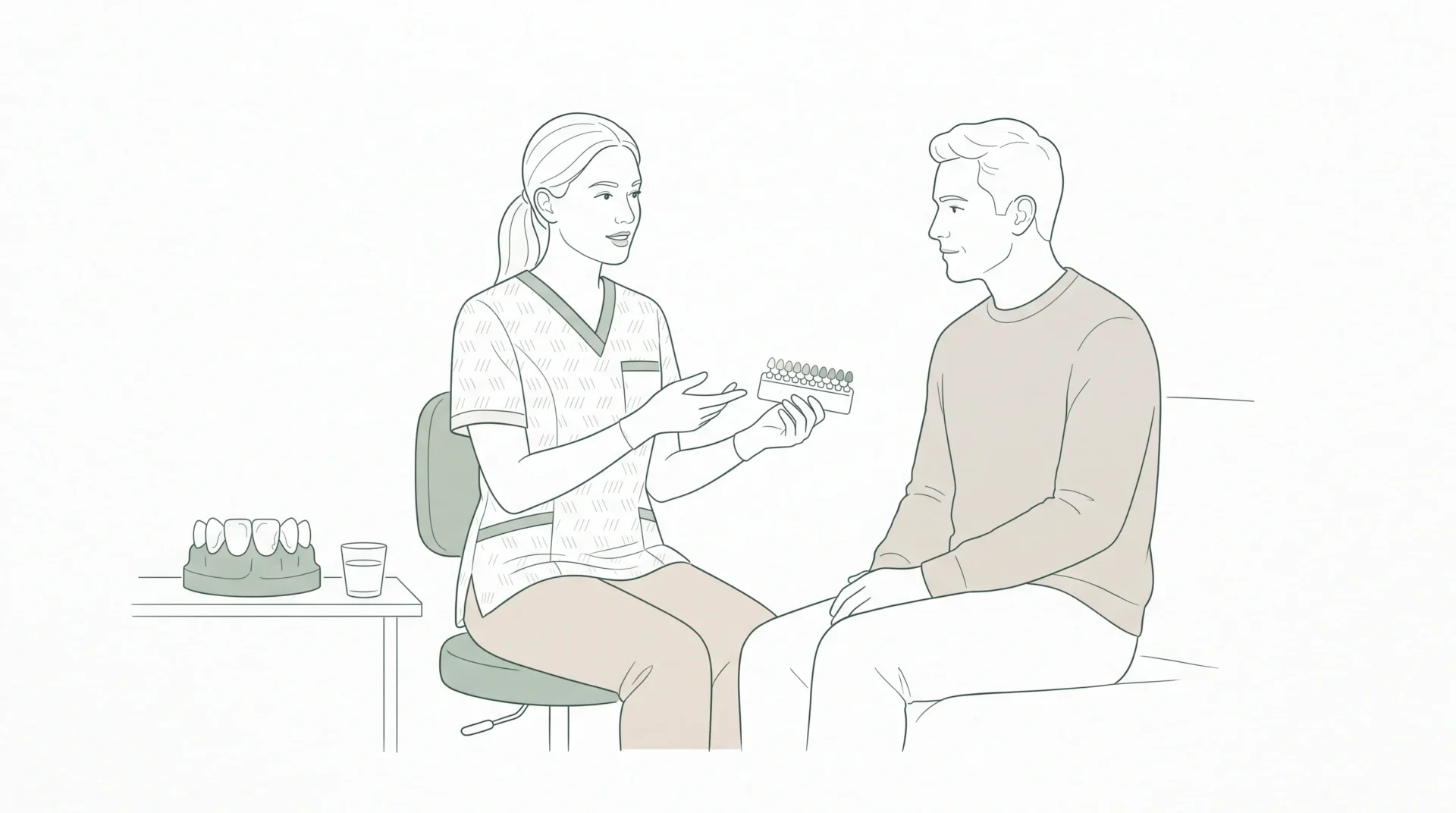
Composite resin comes in different shades, but it behaves differently from natural enamel. It may stain over time, especially with habits such as frequent coffee, tea or red wine intake, smoking or vaping. It also does not respond to whitening products in the same way natural tooth enamel does.
If you are considering whitening as well as bonding, ask which treatment should be planned first. In many cases, a dentist will want to discuss tooth shade before placing bonding, because changing the colour of surrounding teeth later may make the bonded area look mismatched.
Good questions include:
- Will the resin be matched to my current tooth colour?
- Should I consider whitening before bonding?
- How often might the bonding need polishing?
- What habits could increase staining or chipping?
- What should I do if a bonded edge feels rough later?
The Australian Dental Association’s consumer site, Teeth.org.au, is also a helpful general resource for learning about oral health and dental treatment topics in Australia.
Question 6: What are the risks and limitations?
All dental procedures carry potential risks and benefits. Dental bonding is no exception. Although it can be a conservative option for some concerns, composite resin is not as strong as natural tooth enamel and may chip, wear, stain or detach over time.
A clinic that appears when you search best teeth bonding near me should be willing to discuss these limitations without making the treatment sound suitable for everyone. Your dentist may also explain that bonding on biting edges or heavily loaded teeth can be more prone to wear or fracture.
Possible limitations to ask about include:
- Chipping or breakage, especially on front tooth edges
- Staining or colour mismatch over time
- Roughness that may need smoothing or polishing
- Sensitivity, depending on the tooth and treatment area
- The need for future repair or replacement
- Changes to the way your teeth meet when you bite
If you clench or grind your teeth, mention this during your consultation. Your dentist may assess whether bonding is likely to withstand your bite forces or whether a protective appliance or a different treatment plan should be discussed.
Question 7: What will it cost and what is included?
Fees for dental bonding can vary because the amount of resin, tooth preparation, shade matching, planning and appointment time can vary. Rather than relying on a general estimate from the internet, ask for a written treatment plan that explains the tooth or teeth involved and what is included.
Helpful cost questions include:
- Is this fee for one tooth or multiple teeth?
- Does the fee include assessment, polishing or review?
- Are X-rays, photos or other diagnostic steps charged separately?
- What happens if the bonding chips later?
- Can I use private health insurance for any part of the appointment?
- Are payment options available if I choose to proceed?
All About Smiles offers flexible payment options, and the team can discuss appointment booking at the Ettalong and Kincumber locations. Your dentist can only recommend a treatment after assessing your individual needs.
Question 8: How do I choose a local dentist for bonding?
Choosing a dentist for cosmetic treatment is not only about finding the closest appointment. It is about feeling informed enough to decide whether the recommended option makes sense for your oral health, goals, budget and long-term care.
Before booking from search results for best teeth bonding near me, look for clear communication. A useful consultation should include an assessment, a discussion of alternatives, an explanation of risks and a chance to ask questions without pressure.
You may want to ask:
- Are you registered to practise dentistry in Australia?
- How will you assess whether bonding suits my tooth?
- What other options should I consider?
- What result is realistic for my tooth shape and bite?
- What maintenance may be needed later?
- What should I do if the bonding chips or stains?
For broader guidance, All About Smiles has an article on how to choose a dentist for quality local care, including communication, registration, access and fees.
Frequently asked questions
Is dental bonding the same as veneers? No. Dental bonding usually involves placing composite resin directly onto the tooth and shaping it during the appointment. Veneers are coverings placed over the front surface of teeth and may involve different materials, planning and tooth preparation. Your dentist can explain which option may suit your situation.
How long does dental bonding last? Longevity varies between patients and depends on factors such as bite pressure, oral hygiene, diet, habits and where the bonding is placed. Bonding may need polishing, repair or replacement over time.
Can bonding fix a chipped front tooth? It may be suitable for some small chips if the tooth is otherwise healthy and the bite allows it. A dentist needs to assess the tooth first, especially if the chip happened after trauma or the tooth is sensitive.
Should I whiten my teeth before bonding? Sometimes whitening is discussed before bonding because composite resin does not whiten like natural enamel. Your dentist can advise whether whitening should be considered first and whether it is appropriate for your teeth.
What should I ask when searching best teeth bonding near me? Ask about suitability, alternatives, risks, tooth preparation, shade matching, maintenance, costs and what happens if the bonding needs repair later. These questions help you compare care in a more meaningful way than distance alone.
Considering dental bonding on the Central Coast?
Dental bonding can be considered for certain minor cosmetic concerns, but it should begin with a proper dental assessment and a clear conversation about your options. Suitability depends on your oral health, tooth structure, bite, habits, medical history and treatment goals.
To discuss whether bonding may be appropriate for you, you can book an appointment with All About Smiles at either the Ettalong or Kincumber location. The team can assess your concerns, explain possible options and outline costs before you decide whether to proceed.
Disclaimer
The information provided on this website is for general informational and educational purposes only. It is not intended to replace professional dental advice, diagnosis or treatment. Dental needs and treatment outcomes vary between individuals. Always seek advice from a qualified dental practitioner regarding your specific circumstances before making decisions about your oral health or treatment. A consultation and clinical assessment are required to determine which treatment options may be suitable for you. All dental procedures carry potential risks and benefits, which will be discussed with you before treatment.