
How General Family Dentistry Changes Through Life
20 August 2026
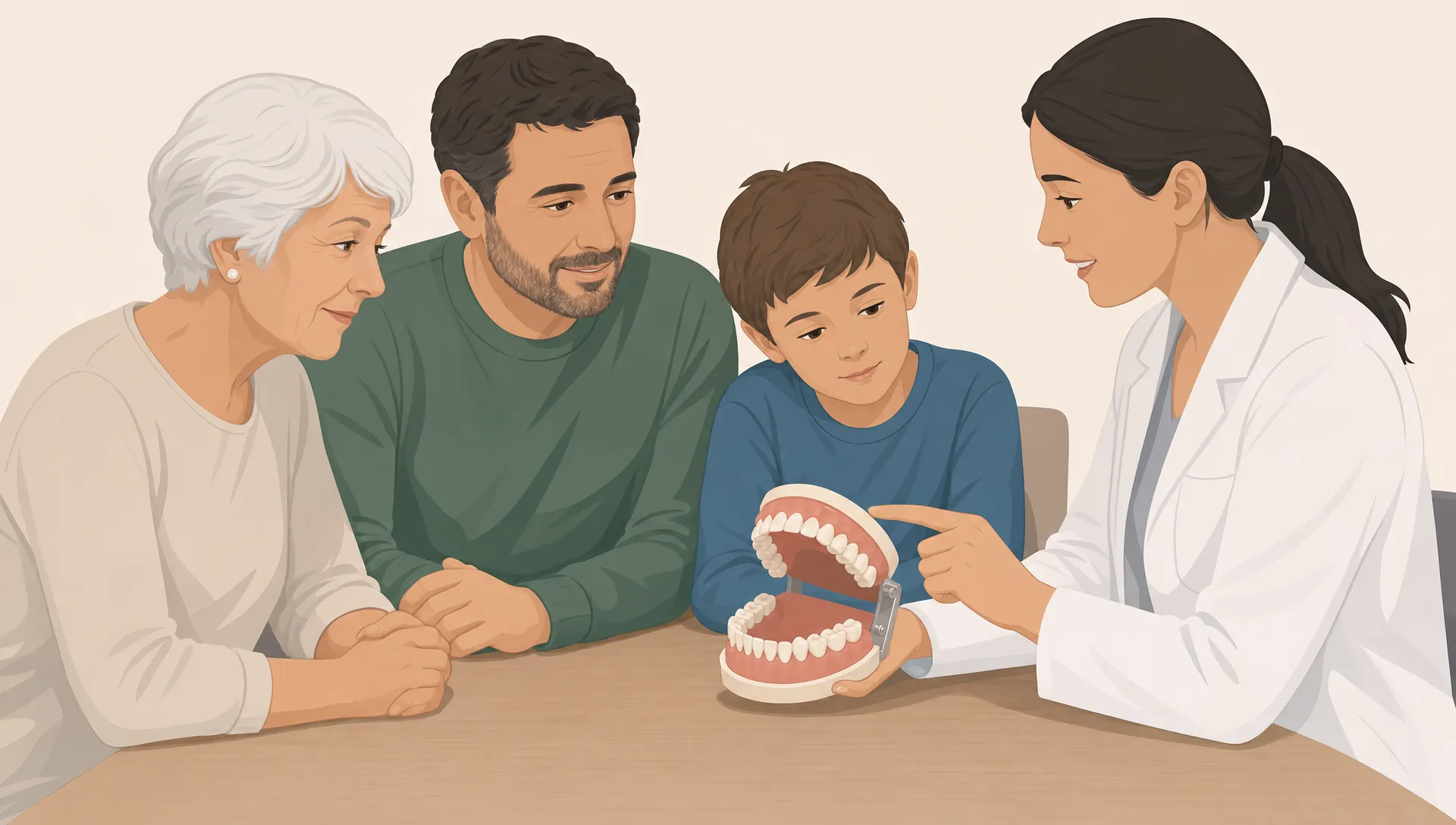
General family dentistry is the ongoing dental care that supports people from infancy through older age. It changes because teeth, gums, jaws, medical history, habits and personal priorities change over time. A toddler’s visit may focus on tooth eruption and brushing help, while an adult appointment may involve gum health, worn fillings or replacing missing teeth. The common thread is prevention, early assessment and treatment planning based on the person in front of the dentist.
At All About Smiles, the team sees families at both the Ettalong and Kincumber locations. For many households on the Central Coast, having one practice that understands different life stages can make dental care feel more practical and consistent.
Why general family dentistry changes with age
Dental needs are not fixed. A child’s mouth is growing, a teenager may be navigating orthodontic changes and sport, an adult may be managing dental wear or pregnancy, and an older person may be dealing with dry mouth, restorations or changes linked to general health.
That is why general family dentistry is not simply a repeated check-up. It is a flexible approach to care that may include preventive visits, gum care, fillings, X-rays when clinically needed, children’s dental care, emergency appointments and referral for more complex needs when appropriate. If you would like a broader overview of what this can include, All About Smiles has a helpful guide to general dental services for everyday oral health.
A family dentist may also notice patterns over time. For example, several family members may have similar brushing challenges, a history of tooth grinding, crowded teeth or a higher risk of tooth decay. That does not mean a problem is inevitable, but it can help guide practical advice and monitoring.
Babies, toddlers and preschoolers: building familiarity early
In the early years, dental care is often more about parents and carers than the child. The dentist may discuss brushing technique, fluoride toothpaste, bottle and dummy habits, thumb sucking, tooth-friendly snacks and what to do if a baby tooth is knocked or chipped.
Early dental visits can also help children become familiar with the dental setting before they need more involved care. These visits are usually simple and age-appropriate. A toddler may only sit briefly in the chair, have their teeth counted and let the dentist look for early signs of decay or developmental concerns.
The Australian Dental Association’s Teeth.org.au is a useful patient resource for parents who want plain English information about children’s oral health, brushing and diet. If your child has tooth pain, swelling, trauma or a darkened tooth after a knock, it is sensible to arrange a dental assessment rather than waiting for the next routine visit.
For parents who want more detail about young children’s appointments, All About Smiles has also covered how family dental visits can support children’s oral health.
Primary school years: growth, habits and prevention
As children start school, their dental needs change again. Adult teeth begin to come through, baby teeth loosen and the bite starts to develop. This is a common time for dentists to monitor tooth eruption, jaw growth, crowding, oral hygiene, snacking patterns and tooth wear.
Some children may benefit from preventive options such as fissure sealants on suitable back teeth. These are thin protective coatings placed in the grooves of certain teeth to help reduce food and plaque trapping. They are not needed for every child, and suitability depends on the shape of the teeth, decay risk and clinical assessment.
School age children are also developing independence. A dentist or oral health professional may speak directly to the child about brushing, cleaning around wobbly teeth and wearing a mouthguard for contact sport. The aim is not to criticise. It is to help the child understand what is happening in their own mouth in a way that feels manageable.
Teenage years: independence, orthodontic questions and wisdom teeth
Teenage dental care often sits between parent-led care and adult responsibility. Many teenagers brush and choose their own food and drinks, but they may still need reminders, especially with busy school, sport and social routines.
Dental appointments at this age may focus on:
- Oral hygiene around braces or other orthodontic appliances, where relevant
- Sports mouthguards for activities with a risk of dental injury
- Early signs of wisdom tooth issues, depending on age and development
- Tooth wear from grinding, clenching or acidic drinks
- Gum inflammation caused by plaque around the gumline
- Discussion of orthodontic or cosmetic concerns in a measured, age-appropriate way
Not every teenager needs orthodontic treatment, and not every wisdom tooth needs removal. Your dentist can monitor development, explain options and refer to another practitioner when a more specialised opinion is needed.
Young adults: routine care can become easier to neglect
Young adulthood brings new routines. People may move out of home, start work or study, play weekend sport, travel more or delay dental appointments because life is busy. This is also a stage where small problems can go unnoticed until they become uncomfortable.
General dental care for young adults may include checking gum health, monitoring old fillings, assessing wisdom teeth, discussing tooth grinding and reviewing brushing or flossing technique. Some patients also begin asking about whitening, bonding, aligners or other cosmetic options. These conversations should start with oral health, because cosmetic treatment may not be suitable if active decay, gum disease or unstable bite issues are present.
Stress, sleep and mental health can also affect oral health. Some people clench their jaw during stressful periods, while others find anxiety, depression or ADHD makes routines and appointments harder to manage. ow how psychiatric, psychological and cognitive support may be coordinated within one care model.
Adults: prevention, repair and changing priorities
In adulthood, dental care often becomes a balance between prevention and maintenance. A dentist may monitor gum health, replace or repair restorations where needed, assess tooth cracks or wear and discuss options for missing teeth. Treatment might involve simple preventive care, fillings, crowns, root canal therapy, periodontal care or dental implants, depending on the person’s oral health and circumstances.
Cosmetic concerns may also become more relevant for some adults. Teeth can darken with time, old restorations may become more visible, and previous dental work may need updating. Options such as whitening, veneers, bonding, crowns or orthodontic treatment can be discussed, but they are not appropriate for everyone. A clinical assessment is needed before any recommendation can be made.
All dental procedures carry potential risks and benefits. Results, recovery and treatment experiences vary between patients, so a good treatment plan should explain suitable options, limitations, likely maintenance and costs before treatment begins.
Pregnancy and other medical changes
Pregnancy can affect the gums, particularly if plaque is present, and some people notice bleeding, tenderness or changes in how their mouth feels. Dental care during pregnancy is not about unnecessary treatment. It is about maintaining oral health, managing symptoms and making decisions that consider both dental and general health.
If you are pregnant, trying to conceive or have recently given birth, let your dentist know. They may adjust timing, imaging decisions or treatment planning based on your situation. You should also tell your dentist about medications, medical conditions, allergies and any advice from your GP, midwife or specialist.
The Australian Government-funded Healthdirect oral health information explains that oral health is part of general health. This matters throughout adulthood, not only during pregnancy. Diabetes, reflux, some medications, cancer treatment and autoimmune conditions can all influence the mouth, gums or saliva, so your dental team needs an up-to-date health history.
Older adulthood: comfort, function and medical context
Dental care in older adulthood can be very individual. Some people have most of their natural teeth and only need preventive maintenance. Others may have crowns, bridges, dentures, implants or a history of complex dental treatment.
Common topics at this stage include dry mouth, gum disease, tooth wear, loose dentures, broken fillings, changes in chewing comfort and cleaning around dental work. Dry mouth is especially important because saliva helps protect teeth and soft tissues. It can be linked to medications, dehydration or medical conditions, so it should be discussed rather than ignored.
Older adults may also be taking multiple medications or managing chronic health concerns. In these cases, dental treatment planning may need extra communication, careful consent and sometimes liaison with a medical practitioner. The aim is to support oral health in a way that fits the person’s wider health picture.
How general family dentistry adapts at each life stage
The table below summarises how the focus of care may shift. It is a guide only, not a diagnosis or treatment recommendation.
| Life stage | Why dental care changes | Appointment focus may include |
|---|---|---|
| Babies and toddlers | Teeth are erupting and parents are building home routines | Brushing guidance, diet advice, checking early tooth development |
| Children | Adult teeth start coming through and habits become more independent | Decay prevention, eruption monitoring, mouthguards, cleaning technique |
| Teenagers | Diet, sport, orthodontic questions and wisdom teeth become more relevant | Gum checks, wisdom tooth monitoring, orthodontic discussion, tooth wear assessment |
| Young adults | Routine care can be delayed and lifestyle factors may affect oral health | Gum health, wisdom teeth, grinding, restorations, cosmetic discussions where appropriate |
| Adults | Existing dental work, gum health and tooth wear may need monitoring | Preventive care, fillings, crowns, root canal therapy, missing tooth options |
| Older adults | Medical history, medications and existing dental work often play a larger role | Dry mouth care, denture or implant maintenance, gum care, restorative planning |
What a family dental appointment may involve
A general dental appointment is usually tailored to the person’s age, symptoms and risk factors. For one family member, the focus may be a simple check and clean. For another, it may be a chipped tooth, gum bleeding or discussion about a treatment plan.
An appointment may include:
- A conversation about symptoms, medical history, medications and concerns
- Examination of the teeth, gums, bite and soft tissues of the mouth
- X-rays if the dentist considers them clinically justified
- Cleaning, fluoride or preventive advice when suitable
- Discussion of findings, options, risks, benefits and costs
- Referral or further planning if more complex care is needed
Not every patient needs the same appointment interval. Some people may be advised to attend more frequently because of gum disease risk, high decay risk or ongoing treatment needs. Others may be suitable for longer intervals. Your dentist can recommend a recall pattern after assessing your mouth and health history.
Continuity can be helpful here. Seeing the same practice over time may make it easier to compare changes, understand your dental history and plan care around your circumstances. If you are deciding where to attend regularly, this guide to choosing a Central Coast dentist for ongoing care may be useful.
When to book sooner than your usual visit
Routine care is important, but some symptoms should be assessed sooner. You do not need to know what is causing the problem before contacting a dentist.
Consider arranging a dental appointment if you notice:
- Toothache, swelling or facial tenderness
- A broken tooth, lost filling or damaged crown
- Bleeding gums that do not settle with improved cleaning
- Pain when biting or chewing
- A sore spot from a denture or appliance
- A tooth that has been knocked, loosened or pushed out of position
- Ongoing bad taste, pus or a pimple-like swelling on the gum
- Jaw pain, locking or frequent headaches linked to clenching or grinding
If symptoms are severe, spreading rapidly or associated with fever, difficulty swallowing or breathing concerns, seek urgent medical or dental advice.
Frequently asked questions
Is general family dentistry only for children? No. It covers dental care for people of all ages, from young children through to older adults. The focus changes with age, health history, dental development and personal concerns.
How often should my family see a dentist? The right interval varies. Some people are advised to attend every six months, while others may need a different schedule based on gum health, decay risk, medical history or current treatment needs. Your dentist can recommend an interval after assessing you.
When should my child first see a dentist? Many parents arrange an early visit when baby teeth begin appearing or by around the first birthday. If you are unsure, ask your dentist or child health professional for guidance based on your child’s development and any concerns.
Can a family dentist discuss cosmetic concerns too? Yes, general family dentistry can include conversations about cosmetic options such as whitening, bonding, veneers or orthodontics. The dentist should first assess oral health and explain whether the option may be suitable for your circumstances.
What if someone in my family feels anxious about dental visits? Tell the dental team before or at the appointment. They can discuss what tends to make visits difficult, explain what is happening and plan care at a pace that is appropriate for the situation. Some people may also benefit from support from a GP or mental health professional.
Planning dental care for your household
General family dentistry changes through life because people change. The most useful dental care is not one-size-fits-all. It considers age, oral health, medical history, habits, goals and what a person can realistically maintain at home.
To discuss ongoing dental care for your household, you can book an appointment with All About Smiles at either the Ettalong or Kincumber location. The team can assess your oral health, talk through suitable options and explain the risks, benefits and costs before you decide what feels right for you.
Disclaimer
The information provided on this website is for general informational and educational purposes only. It is not intended to replace professional dental advice, diagnosis or treatment. Dental needs and treatment outcomes vary between individuals. Always seek advice from a qualified dental practitioner regarding your specific circumstances before making decisions about your oral health or treatment. A consultation and clinical assessment are required to determine which treatment options may be suitable for you. All dental procedures carry potential risks and benefits, which will be discussed with you before treatment.