
Understanding Cosmetic Dental Treatment Options
12 August 2026
Cosmetic dental treatment can involve anything from whitening stained teeth to improving the shape, position or appearance of visible teeth. The most suitable option depends on your oral health, your goals, your budget, your time frame and what your dentist finds during an examination.
Some cosmetic treatments are mainly about appearance. Others, such as crowns or implants, may also help restore tooth structure or replace missing teeth. For many patients, the first step is simply understanding what each option can and cannot do before deciding whether treatment is worth considering.
At All About Smiles, patients can discuss cosmetic dentistry at either the Ettalong or Kincumber location. This guide explains common options in plain language so you can have a more informed conversation with your dentist.
How to understand cosmetic dental treatment options
Cosmetic dentistry focuses on aspects of the smile that affect appearance, such as tooth colour, shape, alignment, spacing, proportions and visible damage. A cosmetic dental treatment plan may involve one procedure or a combination of smaller steps.
The right plan is not the same for everyone. A chipped front tooth, naturally darker enamel, crowded teeth and worn edges all require different considerations. Your dentist will usually look at the health of your teeth and gums first, then discuss what changes may be possible and appropriate.
It is also worth remembering that cosmetic treatment is optional in many cases. If your teeth and gums are healthy and you are comfortable with their appearance, you may not need treatment at all. A good consultation should include the option of doing nothing, as well as any active treatment options.
Oral health comes before appearance
Before cosmetic treatment is considered, your dentist will usually check for issues such as tooth decay, gum inflammation, tooth wear, cracks, bite problems and existing restorations. These factors can affect whether a treatment is suitable and how it may perform over time.
For example, whitening may not be recommended until active dental disease is managed. Veneers may not be suitable if gum health is unstable. Crowns may be considered when a tooth needs more structural protection, not just an appearance change.
Gum health is especially important because swollen or bleeding gums can change the way restorations fit and how natural teeth look. If this is an area you are working on, our article with advice for healthy gums explains common home care habits and dental checks that may support healthier gums.
Everyday brushing, cleaning between the teeth, limiting frequent sugary drinks and attending routine dental checks can also help maintain results after cosmetic treatment. These habits are not as eye-catching as a new restoration, but they often make a meaningful difference to long-term oral health.
Common cosmetic dental treatment options
The following options are commonly discussed in cosmetic dentistry. This table is a general guide only. Your dentist can assess whether any option may be suitable for your individual circumstances.
| Cosmetic option | Often considered for | Important considerations |
|---|---|---|
| Teeth whitening | Staining or darker tooth colour | Does not whiten crowns, veneers or fillings. Sensitivity can occur. Results vary. |
| Dental bonding | Small chips, minor shape changes or small gaps | Uses tooth-coloured resin. May stain or chip over time and may need maintenance. |
| Porcelain veneers | Changes to the visible front surface of teeth | Usually involves altering tooth structure. Not suitable for every bite or tooth condition. |
| Dental crowns | Heavily filled, cracked, worn or weakened teeth | Covers the tooth. May improve appearance and strength when clinically appropriate. |
| Orthodontic treatment | Crowding, spacing or tooth position concerns | Treatment time and suitability depend on tooth movement needs, gum health and bite. |
| Dental implants | Replacement of missing teeth | Involves surgical placement. Suitability depends on bone, gum health and medical factors. |
Teeth whitening
Professional whitening may be considered when teeth are healthy but appear darker or stained. It can help lighten natural tooth enamel, but it does not change the colour of porcelain crowns, veneers, fillings or bonding.
A dentist may assess the cause of discolouration before recommending whitening. Some stains are on the surface, while others are inside the tooth. Whitening can also cause temporary sensitivity for some people, and it may not be appropriate for everyone.
Dental bonding
Bonding uses tooth-coloured resin to repair or reshape small areas. It may be considered for minor chips, uneven edges or small spaces between teeth. It usually involves less tooth alteration than some porcelain treatments, but it may not last as long in all situations.
Resin can stain, wear or chip, especially if it is placed on biting edges or if a patient grinds their teeth. Your dentist can explain whether bonding is a reasonable option or whether another approach may be more suitable.
Veneers
Veneers are thin coverings placed over the front surface of teeth. They may be made from porcelain or resin, depending on the case. Veneers are often discussed when a patient wants to change tooth shape, proportions, colour or minor alignment concerns.
They are not a simple cosmetic add-on. In many cases, some natural tooth structure needs to be altered. Gum health, enamel thickness, bite forces and teeth grinding can all influence whether veneers are suitable. Treatment outcomes and maintenance needs vary between patients.
Dental crowns
A crown covers the visible part of a tooth. It may be recommended when a tooth has been weakened by cracks, large fillings, wear or previous dental treatment. Crowns can also affect appearance because they change the visible shape and colour of the tooth.
Although crowns can have a cosmetic benefit, they are often considered a restorative treatment as well. If a crown has been mentioned during an appointment, you may find this article on why a dentist may recommend a dental crown useful before your next discussion.
Orthodontic treatment
Orthodontic treatment may help address tooth position, crowding, spacing or bite concerns. Some patients consider orthodontics before whitening, bonding or veneers because moving teeth can sometimes reduce the need for more extensive changes to tooth shape.
Treatment time depends on the amount and type of movement required. Suitability also depends on gum health, bone support, oral hygiene and whether the proposed movement is realistic for your mouth.
Dental implants
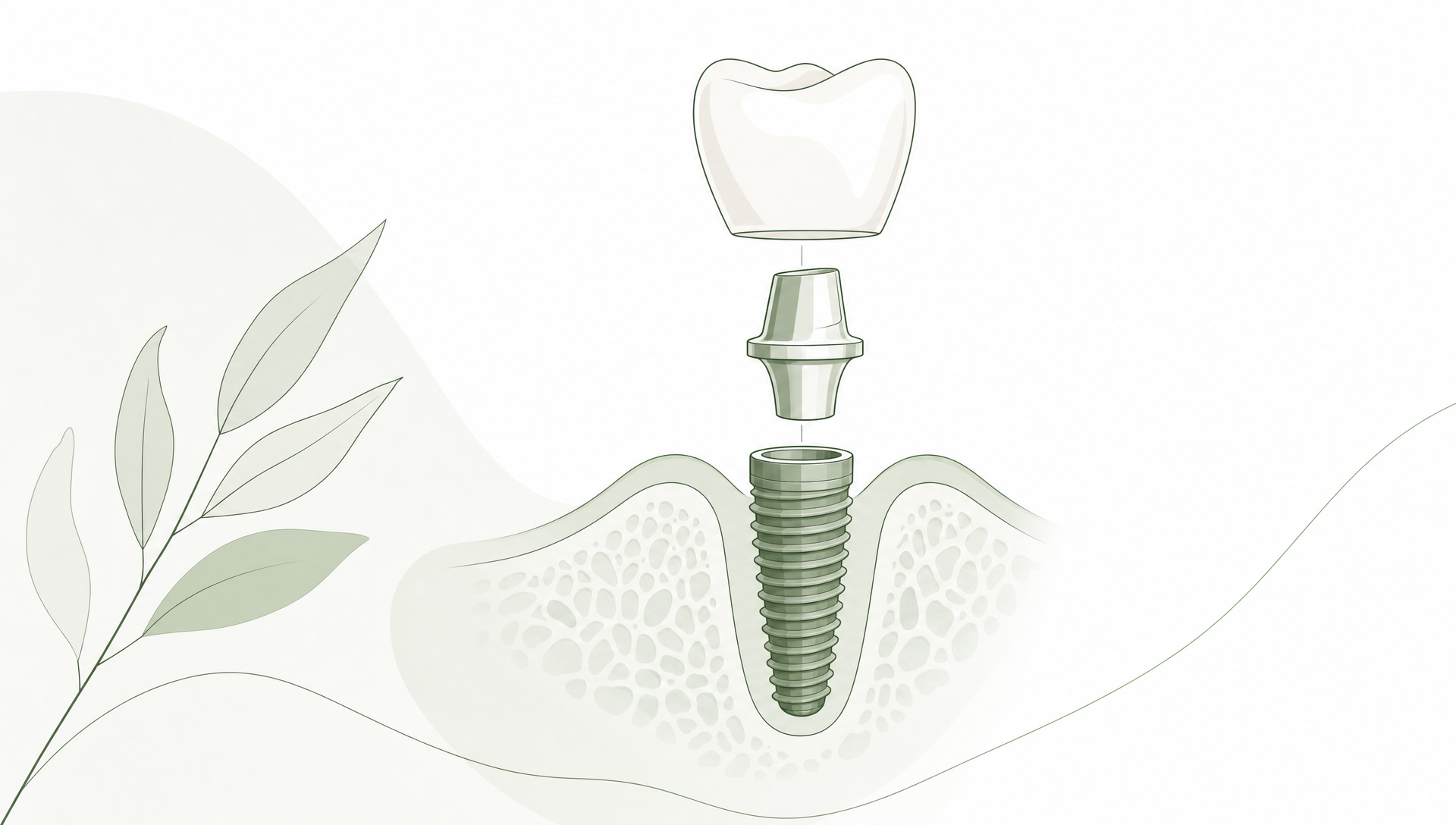
Dental implants may be considered to replace missing teeth. An implant is placed into the jawbone and later restored with a crown or another prosthetic option. While implants can affect the appearance of a smile, they are also a functional and surgical treatment.
Not everyone is suitable for implant treatment. Your dentist will consider factors such as bone volume, gum health, medical history, smoking status, medications and the space available for the replacement tooth.
What a cosmetic dental consultation may involve
A cosmetic consultation is not only about choosing a treatment. It is also about understanding what is happening in your mouth and what options are reasonable.
Your appointment may include a discussion about what concerns you, an examination of your teeth and gums, photographs, X-rays if clinically needed and an assessment of your bite. Your dentist may ask about tooth sensitivity, grinding, previous dental work, medical history and what you would like to change.
From there, your dentist can talk through possible options, including their benefits, limitations, risks, likely maintenance and costs. In more involved cases, treatment may need to be staged. For example, gum care or decay treatment may come before whitening or restorations.
You should feel able to ask questions and take time to think before proceeding. Cosmetic treatment should be based on informed consent, not pressure.
Comparing options and making an informed choice
When comparing dental information online, favour clinics that explain options, limitations, consultation steps and suitability clearly. This is true whether you are looking locally on the Central Coast or reviewing a Victorian clinic such as Toorak Village Dental Care to see how general and cosmetic dental services are presented.
Helpful questions to ask your dentist include:
- What oral health issues need attention before cosmetic treatment?
- How much natural tooth structure would be changed?
- What are the alternatives, including no treatment?
- How long might treatment take in my case?
- What maintenance may be needed later?
- What risks or limitations should I understand?
- How will existing fillings, crowns or veneers affect the plan?
- What costs are involved, and are payment options available?
The aim is not to choose the most complex option. It is to choose an option, or no treatment, based on your oral health, goals and informed preferences.
Costs, timing and payment considerations
Cosmetic dental treatment costs vary because different options involve different materials, appointment times, laboratory work and planning. Whitening, bonding, veneers, crowns, orthodontics and implants all sit in different cost ranges, and the number of teeth involved also matters.
A written treatment plan can help you understand what is included, what may be staged and whether future maintenance may be needed. Some treatments need review appointments, replacement over time or protective measures such as a night guard if grinding is a concern.
All About Smiles offers flexible payment options, and these can be discussed before treatment begins. Fees and payment arrangements should be explained clearly so you can consider treatment at a pace that suits your circumstances.
Risks, limitations and realistic expectations
All dental procedures carry potential risks and benefits. The specific risks depend on the treatment, but they may include sensitivity, gum irritation, changes to the bite, damage or wear to restorations, chipping, the need for replacement, or the possibility that further dental treatment may be required.
Some cosmetic procedures involve irreversible changes to natural tooth structure. This is particularly important with veneers and crowns. Once enamel has been altered or a tooth has been prepared, that tooth will generally need ongoing restoration and monitoring.
It is also important to have realistic expectations. Cosmetic dental treatment may help improve aspects of tooth colour, shape or position, but outcomes vary. Natural teeth are not identical, and a balanced result should suit your mouth rather than follow a one-size-fits-all idea of appearance.
Maintenance matters too. Brushing, cleaning between the teeth, attending dental checks and limiting habits that place stress on teeth can all influence how restorations perform. If you are reviewing your routine, All About Smiles has a practical guide to everyday dental habits that can support general oral health.
Frequently Asked Questions
What is the most common cosmetic dental treatment? Teeth whitening is commonly discussed because many people notice tooth colour first. However, the most suitable cosmetic dental treatment depends on the cause of the concern, your oral health and whether existing dental work is present.
Are veneers better than bonding? Not necessarily. Bonding may be suitable for small repairs or minor shape changes, while veneers may be considered for more significant changes to the front surface of teeth. Veneers often involve more tooth alteration, so suitability should be assessed carefully.
Is cosmetic dentistry only about appearance? Some treatments are mainly cosmetic, but others also have restorative or functional roles. Crowns, orthodontics and dental implants can affect both appearance and function depending on the patient’s needs.
Can I have cosmetic dental treatment if I have gum disease? Active gum disease usually needs to be assessed and managed before cosmetic treatment is considered. Healthy gums help support teeth and restorations, and they can influence the final appearance.
How long does cosmetic dental treatment take? Timing varies widely. Some treatments may involve a small number of appointments, while orthodontic or implant treatment may take longer. Your dentist can explain the likely sequence after assessing your mouth.
Do cosmetic dental results last permanently? No dental treatment should be considered permanent. Whitening can fade, bonding can stain or chip, and restorations such as veneers and crowns may need maintenance or replacement over time.
Discuss cosmetic dental treatment options at All About Smiles
If you are considering cosmetic dental treatment, you can book an appointment with All About Smiles at either the Ettalong or Kincumber location. A dentist can assess your oral health, listen to what you would like to understand or change, and talk through options that may be suitable for your circumstances.
The most useful starting point is a clear conversation. From there, you can consider the benefits, risks, alternatives, costs and timing before deciding whether to proceed.
Disclaimer
The information provided on this website is for general informational and educational purposes only. It is not intended to replace professional dental advice, diagnosis or treatment. Dental needs and treatment outcomes vary between individuals. Always seek advice from a qualified dental practitioner regarding your specific circumstances before making decisions about your oral health or treatment. A consultation and clinical assessment are required to determine which treatment options may be suitable for you. All dental procedures carry potential risks and benefits, which will be discussed with you before treatment.