
What to Do When You Need Urgent Dental Care
15 September 2026
Tooth pain, facial swelling or a broken tooth can be unsettling, especially when it happens outside your usual routine. If you have searched for dental care near me open now, start by checking whether your symptoms point to a medical emergency, an urgent dental problem or something that can safely wait for the next available appointment. This article offers general guidance only and does not replace advice from a dentist or medical practitioner.
All About Smiles provides general and emergency dental care across its Ettalong and Kincumber locations on the NSW Central Coast, with online booking available subject to appointment availability. Some situations need prompt professional assessment, but not every dental concern needs after-hours or hospital care. The aim is to choose the safest next step for your symptoms.
If you search for dental care near me open now, check these symptoms first
A search for dental care near me open now is often made when symptoms are painful or worrying, but dental problems sit across different levels of urgency. The first decision is whether you need emergency medical care before dental care.
When to seek emergency medical care
Call Triple Zero (000) or attend the nearest emergency department if you have symptoms that may involve your airway, heavy bleeding or serious injury. This may include swelling that affects breathing or swallowing, trauma to the head or face, uncontrolled bleeding, a high fever with facial swelling or feeling very unwell with a suspected infection.
For general after-hours health advice in Australia, healthdirect can also help you decide where to seek care. If your symptoms are severe or rapidly worsening, do not wait for a dental appointment.
When a dentist should assess you promptly
A dentist is usually the right professional for tooth pain, broken teeth, lost restorations and many gum or jaw concerns. Depending on the cause, urgent dental care may involve temporary treatment, pain management advice, imaging, infection assessment or a plan for follow-up care.
| Symptom or situation | Why it may need prompt assessment | First step |
|---|---|---|
| Severe toothache or pain that wakes you | May involve decay, infection, a cracked tooth or nerve irritation | Contact a dentist as soon as practical |
| Facial or gum swelling | May be linked to infection and should be assessed | Seek dental advice promptly, or medical care if severe |
| Broken tooth with pain or sharp edges | The tooth may need protection or repair | Avoid chewing on that side and arrange dental care |
| Knocked-out adult tooth | Time can affect whether replanting may be possible | Seek urgent dental care immediately |
| Lost filling or crown | The tooth underneath may be sensitive or vulnerable | Keep the area clean and arrange assessment |
Common urgent dental problems and what they may mean
When dental care near me open now is the phrase you type in a hurry, the cause may be obvious, such as a chipped tooth, or less clear, such as deep aching pain that comes and goes. A dentist needs to examine the tooth, gum and surrounding structures before giving a diagnosis.
Toothache that is sharp, throbbing or persistent
Toothache can come from several causes, including decay, a crack, gum inflammation, exposed dentine or irritation of the nerve inside the tooth. Painkillers may make symptoms more manageable for a short time, but they do not identify the cause. If pain is severe, worsening or affecting sleep, arrange dental assessment rather than repeatedly managing it at home.
Swelling, a dental abscess or infection symptoms
A dental abscess is a pocket of infection that may form around a tooth or gum. Symptoms can include swelling, tenderness, a bad taste, fever or pain when biting. Antibiotics are not always the only treatment because the source of the infection may still need dental care. Your dentist can assess whether drainage, root canal therapy, extraction or another option may be suitable.
Broken teeth, cracked teeth and lost fillings
A small chip may not be urgent if there is no pain, but a deeper fracture can expose sensitive tooth structure or create sharp edges that irritate the tongue or cheek. Lost fillings and crowns can also leave a tooth vulnerable. Avoid testing the tooth with your tongue or fingers, and keep any crown or broken fragment if you can do so safely.
Knocked-out or loose teeth after trauma
A knocked-out adult tooth needs urgent dental advice. Hold the tooth by the crown, not the root. If it is dirty, gently rinse it with milk or saline, but do not scrub it. If you cannot safely place it back in the socket, store it in milk or saliva and seek dental care immediately. Do not try to reinsert a baby tooth, as this may affect the developing adult tooth. The Australian Dental Association’s patient resource, Teeth.org.au, provides general oral health information for Australian patients.
What you can do while arranging urgent dental care
If dental care near me open now led you to a local practice outside your usual routine, use the time before your appointment to protect the area and avoid making the problem harder to assess. Home measures should be temporary and gentle.
Manage discomfort safely
Use over-the-counter pain relief only as directed on the packaging, and ask a pharmacist or doctor if you are unsure whether a medicine is suitable for you. Avoid placing aspirin or any painkiller directly on the gum or tooth, as this can irritate the soft tissues. A cold compress on the outside of the cheek may be helpful after trauma or swelling, but heat should generally be avoided where infection is suspected.
Protect the tooth or restoration
If a tooth is broken, avoid chewing on that side and choose softer foods until you are assessed. If a filling or crown has come out, keep it in a safe container and bring it to your appointment. Do not use household glue, sharp tools or DIY repair kits inside your mouth. These can damage tooth structure or soft tissue and may make professional treatment more complicated.
Write down what happened
Note when the pain started, what makes it worse, any swelling, medicines you have taken and whether there was an injury. If you have a medical condition, allergies or take regular medicines, have that information ready. These details can help your dentist assess risks, discuss options and decide whether any treatment should be staged.
Booking urgent dental care on the Central Coast
For someone searching dental care near me open now, practical access matters as much as clinical advice: check current appointment availability, whether online booking is available and how to contact the practice directly. Online listings can sometimes lag behind real appointment availability, so direct confirmation is useful where symptoms are significant.
Confirm the right type of appointment
When booking, describe the main symptom rather than only asking for the soonest time. For example, mention facial swelling, a knocked-out tooth, a broken tooth, bleeding, fever, difficulty opening your mouth or severe pain. This helps the dental team understand whether your concern may need prompt triage.
All About Smiles sees patients at both Ettalong and Kincumber locations. Appointment availability can vary, and the most appropriate location or appointment type depends on current schedules and your concern. If you are deciding whether your situation needs same-day care, this related guide on what to do when you need a dental clinic open today explains that decision in more detail.
Ask practical questions before you attend
It is reasonable to ask what to bring, whether X-rays may be needed, whether payment options can be discussed and whether you should avoid eating before your visit. If you are unsure how to explain your symptoms, the guide on how to prepare for a dental consultation covers useful details to organise before you arrive.
What may happen at an urgent dental appointment
Assessment and diagnosis
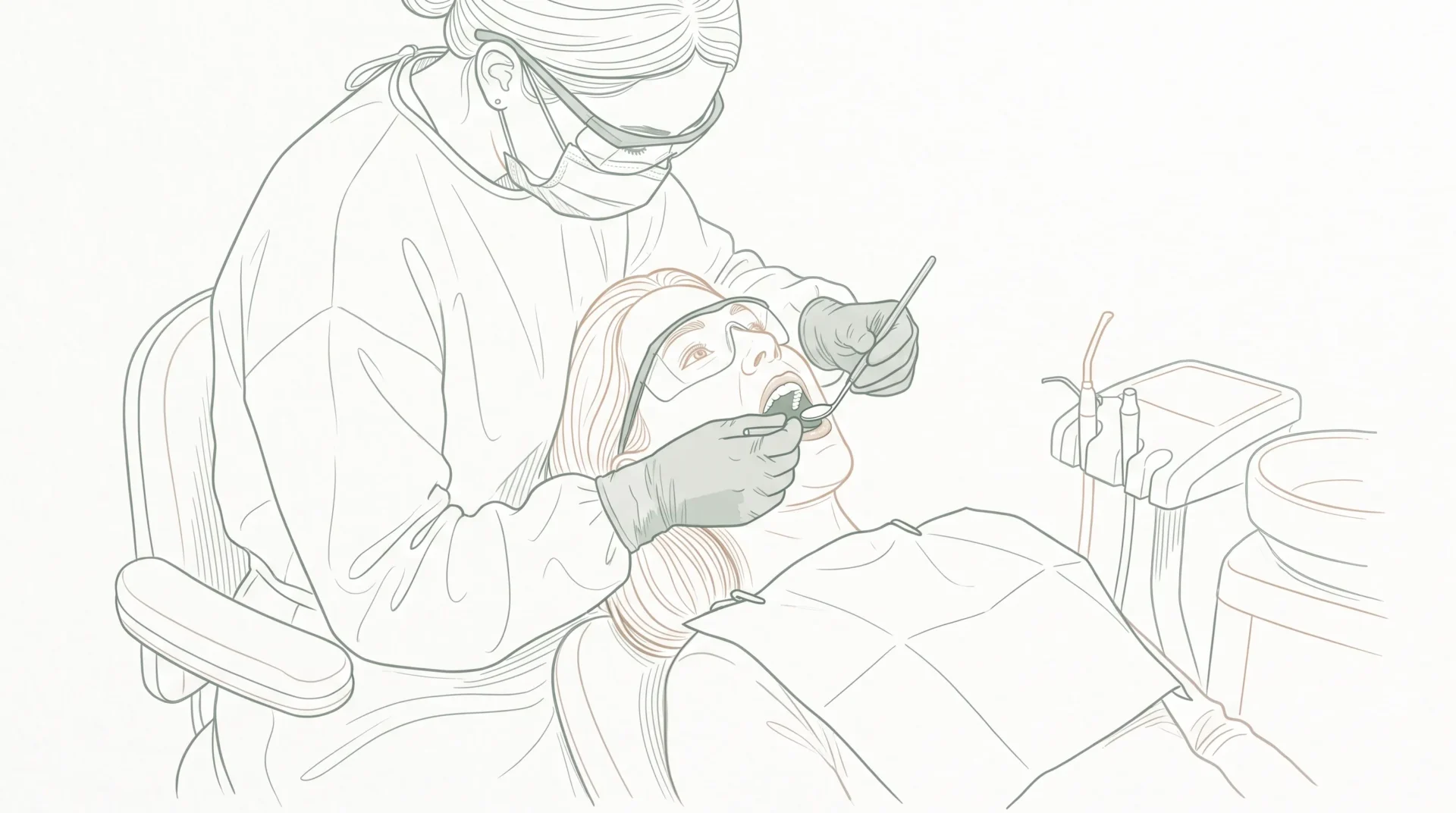
Your dentist will usually ask about your symptoms, medical history and any recent injury. They may examine the tooth, gums, jaw and surrounding tissues, and dental X-rays may be recommended if they are clinically appropriate. X-rays can help assess decay, infection, bone support, fractures or the position of tooth roots, but they are only one part of the overall assessment.
Treatment options may be staged
Depending on the findings, treatment may involve smoothing a sharp edge, placing a temporary dressing, repairing a tooth, managing infection, discussing root canal therapy or considering extraction. Some concerns can be stabilised at the first visit, while others need planned follow-up care. Your dentist should discuss likely benefits, limitations, risks, costs and alternatives before treatment proceeds.
Anxiety and comfort can be discussed
If you feel nervous, say so when booking or at the start of the appointment. Clear explanations, agreed pauses and checking consent can make urgent care feel more manageable for many people. Treatment experiences vary, and your dental team can discuss what is appropriate for your situation without assuming that everyone wants the same approach.
What urgent dental care cannot always do in one visit
If a dental care near me open now search comes from severe pain, it is understandable to want the problem finished immediately, but urgent care is often focused first on diagnosis, stabilising symptoms and planning the next appropriate step. A complex fracture, infection, wisdom tooth problem or tooth with a long treatment history may need more than one appointment.
Some dental problems also require a choice between options. For example, a badly damaged tooth may be assessed for repair, root canal therapy, a crown or extraction, depending on the amount of tooth structure left, gum health, bite forces, medical history and your preferences. No article can tell you which option is suitable without an examination.
All dental procedures carry potential risks and benefits. Possible risks vary by treatment and may include discomfort, ongoing symptoms, infection, restoration failure or the need for further treatment. Your dentist can explain the risks that are relevant to your diagnosis and the care being considered.
Reducing the chance of future urgent dental problems
It can be useful to review the cause with your dentist and plan follow-up care if recommended. Preventive dental care cannot avoid every emergency, but it may help detect issues earlier and support everyday oral health.
Regular check-ups, dental cleans, fluoride advice, gum care, mouthguards for sport and early repair of small problems can all be discussed as part of ongoing care. If you want a broader overview of what routine dental care may include, this guide to general dental services for everyday oral health explains common appointments and treatments.
It is also worth reviewing habits that can increase the risk of damage, such as chewing ice, using teeth to open packaging, delaying treatment for cracked teeth or not wearing a custom mouthguard for contact sport. Any advice should be tailored to your mouth, health history and goals.
Frequently asked questions
Is toothache always a dental emergency? Not always. Mild sensitivity that settles may be less urgent than severe, persistent or throbbing pain. Toothache with swelling, fever, trauma or difficulty swallowing should be assessed promptly, and severe medical symptoms need emergency medical care.
What should I do if an adult tooth is knocked out? Hold the tooth by the crown, avoid touching the root, keep it moist in milk or saliva and seek urgent dental care immediately. Do not reinsert a baby tooth. If there are head injuries, heavy bleeding or other serious symptoms, seek emergency medical care first.
Can I take antibiotics for a dental infection instead of seeing a dentist? Antibiotics may be prescribed when clinically appropriate, but they do not always remove the source of a dental infection. A dentist needs to assess the tooth or gum to decide what treatment options may be suitable.
What should I bring to an urgent dental appointment? Bring a list of medicines, allergies, relevant medical conditions, any broken tooth fragment or crown, your health fund details if applicable and notes about when symptoms started. This helps your dentist assess your concern and discuss options.
Will urgent dental treatment be completed on the same day? Sometimes a dental concern can be managed in one visit, but not always. The timing depends on the diagnosis, complexity, infection, your medical history, available appointment time and the treatment options you choose after discussing risks and benefits.
Need to discuss an urgent dental concern?
To discuss an urgent dental concern, you can contact All About Smiles or book an appointment online. The team sees patients at both Ettalong and Kincumber on the NSW Central Coast, with appointment availability varying by day and location.
If your symptoms suggest a medical emergency, such as difficulty breathing or swallowing, uncontrolled bleeding or serious facial trauma, call Triple Zero (000) or attend the nearest emergency department rather than waiting for a dental appointment.
Disclaimer
The information provided on this website is for general informational and educational purposes only. It is not intended to replace professional dental advice, diagnosis or treatment. Dental needs and treatment outcomes vary between individuals. Always seek advice from a qualified dental practitioner regarding your specific circumstances before making decisions about your oral health or treatment. A consultation and clinical assessment are required to determine which treatment options may be suitable for you. All dental procedures carry potential risks and benefits, which will be discussed with you before treatment.