
What to Do When You Need a Dental Clinic Open Today
3 September 2026
If you are searching for a dental clinic open today, the first step is to work out whether your concern needs emergency care, a same day dental appointment or a routine booking. Tooth pain, swelling, a broken tooth or a lost filling can feel worrying, especially when it happens outside your usual routine. A calm plan can help you describe the problem clearly and get the right level of care.
All About Smiles sees patients at both Ettalong and Kincumber on the NSW Central Coast. Availability can vary from day to day, so if your concern feels urgent, it is sensible to phone the clinic or check online booking rather than waiting to see if symptoms settle on their own.
When to look for a dental clinic open today
Not every dental concern needs treatment on the same day, but some symptoms should be assessed promptly. The aim is not to panic or rush into unnecessary treatment. It is to make sure symptoms that may indicate infection, trauma or significant damage are reviewed in an appropriate timeframe.
A same day dental appointment may be appropriate if you have:
- A toothache that is severe, worsening or affecting sleep
- Facial or gum swelling
- A broken, cracked or knocked out tooth
- Bleeding that is difficult to control after dental trauma or a procedure
- Pain when biting that has come on suddenly
- A lost filling or crown causing pain or sharp edges
- Signs of infection, such as pus, fever, a bad taste or swelling
- Dental pain in a child that is not settling with usual comfort measures
Some symptoms may need urgent medical care rather than waiting for a dental appointment. If you have swelling affecting your breathing or swallowing, rapidly spreading facial swelling, significant facial trauma, uncontrolled bleeding or you feel seriously unwell, call 000 or go to the nearest hospital emergency department. For general guidance on urgent health concerns, healthdirect explains when to seek emergency medical help.
Quick guide: how urgent is your dental problem?
Use the table below as a general guide only. It cannot diagnose your condition, and your dentist will need to assess your individual circumstances.
| Dental concern | What it may indicate | What to do today |
|---|---|---|
| Swelling in the face, jaw or gums | Possible infection or abscess | Contact a dental clinic promptly. Seek emergency medical care if swelling affects breathing, swallowing or is spreading quickly. |
| Knocked out adult tooth | Dental trauma requiring time sensitive care | Handle the tooth by the crown, keep it moist and contact a dentist as soon as possible. Do not reinsert a baby tooth. |
| Severe or worsening toothache | Decay, infection, cracked tooth or gum problem | Arrange a same day dental assessment if available, especially if pain is affecting sleep or eating. |
| Broken tooth with pain or a sharp edge | Fracture, damaged filling or exposed tooth structure | Avoid chewing on that side, keep any fragments and book an appointment for assessment. |
| Lost filling or crown | Exposed tooth surface or weakened tooth | Keep the crown if you have it, avoid household glues and arrange dental advice. |
| Mild sensitivity to cold or brushing | Exposed dentine, enamel wear, gum recession or early decay | Book a routine appointment unless symptoms are worsening or linked with pain, swelling or trauma. |
A useful rule is to consider whether the problem is getting worse, affecting normal eating or sleeping, linked with swelling or caused by trauma. If the answer is yes, contact a dental clinic for advice today.
What to say when you call for a same day appointment
When a clinic is busy, clear information helps the dental team triage your concern and offer a suitable appointment if one is available. Before you call, take a moment to note what has happened and when it started.
Try to explain:
- Where the pain or problem is, such as upper left, lower right or front tooth
- When symptoms began and whether they are getting worse
- Whether there is swelling, fever, bleeding, pus or a bad taste
- Whether the issue followed an injury, biting something hard or recent dental treatment
- Whether you have taken any medicines and whether they helped
- Whether you are pregnant, have significant medical conditions or take blood thinners
- Whether the appointment is for an adult, teenager or child
If you are booking online, include these details in the notes section if available. For urgent symptoms, phoning can be better because the team may need to ask questions that are not covered by an online form.
What you can do safely while waiting to see a dentist
There are some simple steps that may reduce irritation or help protect the tooth until you can be seen. These are not substitutes for dental care, and they may not be suitable for every person.
For toothache, rinse gently with warm salt water and remove any trapped food with careful flossing if you can do so without causing more pain. A cold compress on the outside of the cheek may help if there is tenderness from trauma or swelling. Speak with a pharmacist or doctor about pain relief that is suitable for your health, especially if you have asthma, stomach ulcers, kidney disease, are pregnant or take other medicines.
Do not place aspirin directly on the gum or tooth. This can irritate or burn the soft tissues. Avoid putting heat on facial swelling unless a dentist or doctor has advised it, as warmth may worsen some infections.
For a broken tooth, avoid chewing on that side and keep any tooth pieces in a clean container. If a sharp edge is rubbing your cheek or tongue, dental wax from a pharmacy may provide short term protection if used carefully.
For a knocked out adult tooth, hold it by the white crown rather than the root. If it is dirty, rinse it briefly with milk or saline if available. Keep it moist in milk, saliva or a tooth preservation product if you have one, and contact a dentist immediately. If a baby tooth is knocked out, do not put it back in the socket because this may affect the developing adult tooth.
What may happen at a same day dental appointment
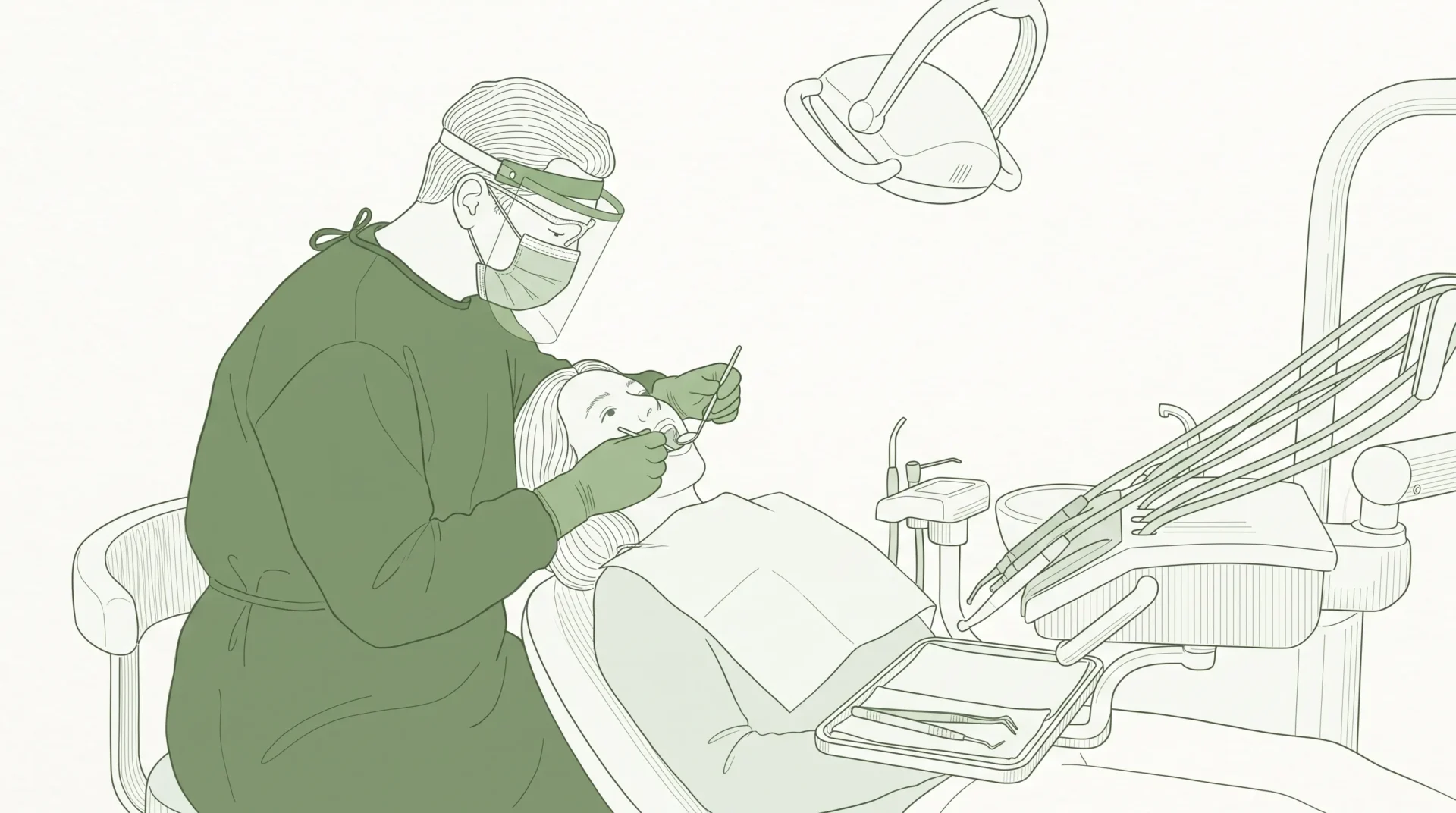
A same day dental appointment is often focused on assessing the concern, relieving immediate symptoms where appropriate and deciding what further care may be needed. It may not always be possible or suitable to complete definitive treatment on the day, especially if the tooth is complex, there is infection or more planning is needed.
Your appointment may include a discussion about your symptoms, medical history and any medicines you take. The dentist may examine the tooth, gums, bite and surrounding tissues. Dental X-rays may be recommended if they are needed to understand decay, infection, fractures or the position of roots. Your dentist should explain why an X-ray is being suggested before proceeding.
Depending on the findings, possible care may include smoothing a sharp edge, placing a temporary dressing, repairing a filling, discussing root canal therapy or extraction, reviewing gum infection, prescribing medicines where clinically appropriate or arranging a follow up plan. All dental procedures carry potential risks and benefits, and treatment suitability depends on your oral health, medical history, anatomy and preferences.
If your concern turns out to be part of a broader oral health issue, it may help to understand how general dental services support everyday oral health beyond the immediate appointment.
What if you cannot get a dental appointment today?
If no same day dental appointment is available, ask the clinic what they recommend based on your symptoms. Some issues may be safe to review at the next available appointment, while others may need care through another dental service or a hospital emergency department.
You should seek urgent medical care if you have:
- Difficulty breathing or swallowing
- Rapidly spreading swelling in the face, jaw, neck or around the eye
- Heavy or uncontrolled bleeding
- Serious injury to the face, jaw or mouth
- Fever, confusion or feeling very unwell with dental swelling
For less severe concerns, ask whether you can be placed on a cancellation list, whether another appointment time is available soon or whether there are safe interim steps you can take. A pharmacist may be able to give general advice about short term pain relief options, but they cannot diagnose or treat the dental cause.
If today’s concern has made you think about finding regular dental care on the Central Coast, our guide on what to look for in a Central Coast dental clinic explains practical factors such as communication, access, fees and informed consent.
How to prepare before leaving for the clinic
A little preparation can make the appointment more useful, particularly if you are attending at short notice. Bring your Medicare card if relevant, private health insurance details if you have them and a list of medicines, allergies and medical conditions. If you have swelling or pain, note when it began and what seems to trigger it.
For a broken tooth, lost crown or dental appliance issue, bring any fragments, crowns, aligners, retainers or dentures with you. For a child’s appointment, bring any information about the injury, including when it happened and whether there were symptoms such as dizziness, vomiting or loss of consciousness. These symptoms may require medical assessment.
It is also reasonable to ask about likely fees, payment options and whether treatment may be completed on the day or staged over more than one appointment. All About Smiles offers payment plan options, but the suitability of any payment arrangement can depend on the treatment and your individual circumstances.
Booking with All About Smiles
If you need a dental clinic open today on the Central Coast, you can contact All About Smiles to check current availability at the Ettalong or Kincumber location. If your concern involves swelling, trauma, heavy bleeding or severe pain, phoning the clinic is usually the most direct way to explain what is happening.
For non-urgent concerns, online booking may be convenient. If you are unsure whether your symptoms are urgent, describe them clearly when you make contact so the team can guide you on the appropriate next step based on the information available.
Frequently asked questions
Can I wait a few days if my toothache comes and goes? Mild sensitivity may not need same day care, but toothache that is worsening, affecting sleep, causing swelling or triggered by biting should be assessed promptly. Pain that comes and goes can still be linked with decay, cracks or infection.
Is a swollen gum or face a dental emergency? Swelling can sometimes indicate infection and should be taken seriously. Contact a dental clinic promptly. If swelling is spreading quickly, affects breathing or swallowing or you feel very unwell, call 000 or go to an emergency department.
What should I do if a crown or filling falls out today? Keep the crown or filling if you have it, avoid chewing on that side and do not use household glue. If the tooth is painful, sharp or sensitive, contact a dentist for advice and an appointment.
Can a dentist treat the problem on the same day? Sometimes, but not always. A same day appointment may focus on assessment, temporary care or symptom relief. Definitive treatment may require another visit depending on the diagnosis, complexity and your individual needs.
Should I go to hospital for dental pain? A hospital emergency department may be appropriate for severe facial swelling, breathing or swallowing difficulty, significant trauma, uncontrolled bleeding or if you feel seriously unwell. For tooth pain without these symptoms, a dental clinic is usually the more appropriate place for assessment.
Need advice about a dental concern today?
To discuss your concern, you can contact All About Smiles or book online through the All About Smiles website. The team sees patients at both the Ettalong and Kincumber locations, and can help you understand whether your concern may need same day assessment or a routine appointment.
Disclaimer
The information provided on this website is for general informational and educational purposes only. It is not intended to replace professional dental advice, diagnosis or treatment. Dental needs and treatment outcomes vary between individuals. Always seek advice from a qualified dental practitioner regarding your specific circumstances before making decisions about your oral health or treatment. A consultation and clinical assessment are required to determine which treatment options may be suitable for you. All dental procedures carry potential risks and benefits, which will be discussed with you before treatment.