
What Cosmetic Dental Procedures Can Transform Your Smile?
12 August 2026
A confident smile can change the way you speak, laugh, take photos and meet new people. If you feel self-conscious about stained, chipped, uneven, crowded or missing teeth, the good news is that modern cosmetic dentistry offers more options than ever, from simple whitening to complete smile makeovers.
The best cosmetic dental procedures are not one-size-fits-all. The right choice depends on what you would like to improve, the condition of your teeth and gums, your bite, your budget and how long you want the result to last. For many patients, the most natural-looking transformation comes from combining small, carefully planned changes rather than choosing the most dramatic treatment straight away.
Below is a practical guide to the procedures that can transform your smile, what each option is commonly used for, and how to think about your next step.
Start with the foundation: healthy teeth and gums
Before any cosmetic treatment, your dentist should assess the health of your mouth. This is not just a formality. Whitening, veneers, crowns, implants and orthodontics all work best when the teeth, gums and supporting bone are healthy.
For example, gum inflammation can affect the appearance of your smile and may need attention before cosmetic work begins. If you are preparing for a smile upgrade, it is worth revisiting the basics of keeping your gums healthy so your results have the best chance of lasting.
Tooth wear is another important factor. Enamel loss, acid damage and erosion can change tooth shape, colour and sensitivity. If your teeth are thinning, shortening or becoming more translucent, your dentist may first investigate habits, diet or medical factors that contribute to tooth erosion.
Once your dental health is stable, cosmetic planning becomes far more predictable. Your dentist can then recommend options that suit your smile rather than simply treating the surface concern.
Common cosmetic dental procedures and what they can improve
Cosmetic dentistry can address colour, shape, size, position and missing teeth. The table below gives a quick overview of the most common options.
| Cosmetic dental procedure | Best suited for | Typical smile impact |
|---|---|---|
| Professional teeth whitening | Yellowing or surface staining | Brighter, fresher-looking smile |
| Dental veneers | Discolouration, chips, gaps, uneven shape | More uniform colour, shape and symmetry |
| Composite bonding | Small chips, minor gaps, rough edges | Fast, conservative improvement |
| Dental crowns | Heavily filled, cracked, weakened or misshapen teeth | Stronger, more natural-looking tooth structure |
| Orthodontics or clear aligners | Crowding, spacing, bite concerns | Straighter teeth and improved smile balance |
| Dental implants | Missing teeth | Fixed replacement that looks and functions like a tooth |
| Gum contouring | Uneven gumline or “gummy” smile | Better tooth-to-gum proportions |
Your dentist may recommend one treatment or a staged combination. For example, a patient might complete whitening first, then replace an old crown or add veneers that match the new shade.
Professional teeth whitening
Teeth whitening is one of the most popular cosmetic dental procedures because it can create a noticeable change without altering the tooth structure. It is often used for teeth that have darkened due to age, coffee, tea, red wine, smoking or general staining.
Professional whitening is different from grabbing the strongest-looking product from a supermarket shelf. A dentist can check whether whitening is suitable for your teeth, identify causes of discolouration and help reduce the risk of sensitivity or uneven results. The Australian Dental Association also notes that whitening may not change the colour of fillings, crowns or veneers, which is why a dental assessment matters before you begin.
Whitening may be a good choice if your teeth are generally healthy and well aligned, but you want them to look brighter. It is not always the best first step if you have visible cracks, decay, gum recession or restorations on front teeth. In those cases, whitening may still be part of the plan, but it should be coordinated with other treatment.
Dental veneers
Veneers are thin coverings placed over the front surface of teeth to improve their appearance. They are commonly used for teeth that are chipped, worn, uneven, discoloured, mildly misaligned or slightly gapped.
There are two broad types: porcelain veneers and composite veneers. Porcelain veneers are made outside the mouth and are known for their strength, stain resistance and natural translucency. Composite veneers are built directly onto the tooth using tooth-coloured resin, often requiring less preparation and sometimes completed in fewer visits.
Veneers can make a major difference to smile symmetry because they can refine several features at once, including colour, length, width and shape. However, they are not suitable for every tooth or every bite. If you grind your teeth, have significant crowding or have weakened enamel, your dentist may recommend other steps first.
A well-planned veneer smile should not look artificial. The most flattering results are usually customised to your face shape, skin tone, lip line and the natural character of your smile.
Composite bonding
Composite bonding, sometimes called dental bonding, is a conservative way to repair or reshape teeth using tooth-coloured resin. It is often used for small chips, uneven edges, minor gaps or localised discolouration.
One of the main advantages of bonding is that it can preserve more natural tooth structure than some other procedures. In many cases, little to no enamel needs to be removed. It can also be a useful stepping stone for patients who want to improve their smile but are not ready for porcelain veneers or crowns.
Bonding does have limitations. Composite resin can stain over time and may not be as durable as porcelain. It is best suited to smaller changes rather than full-mouth transformations. If you bite your nails, chew ice, grind your teeth or use your teeth as tools, bonding may chip more easily.
Dental crowns and same-day crowns
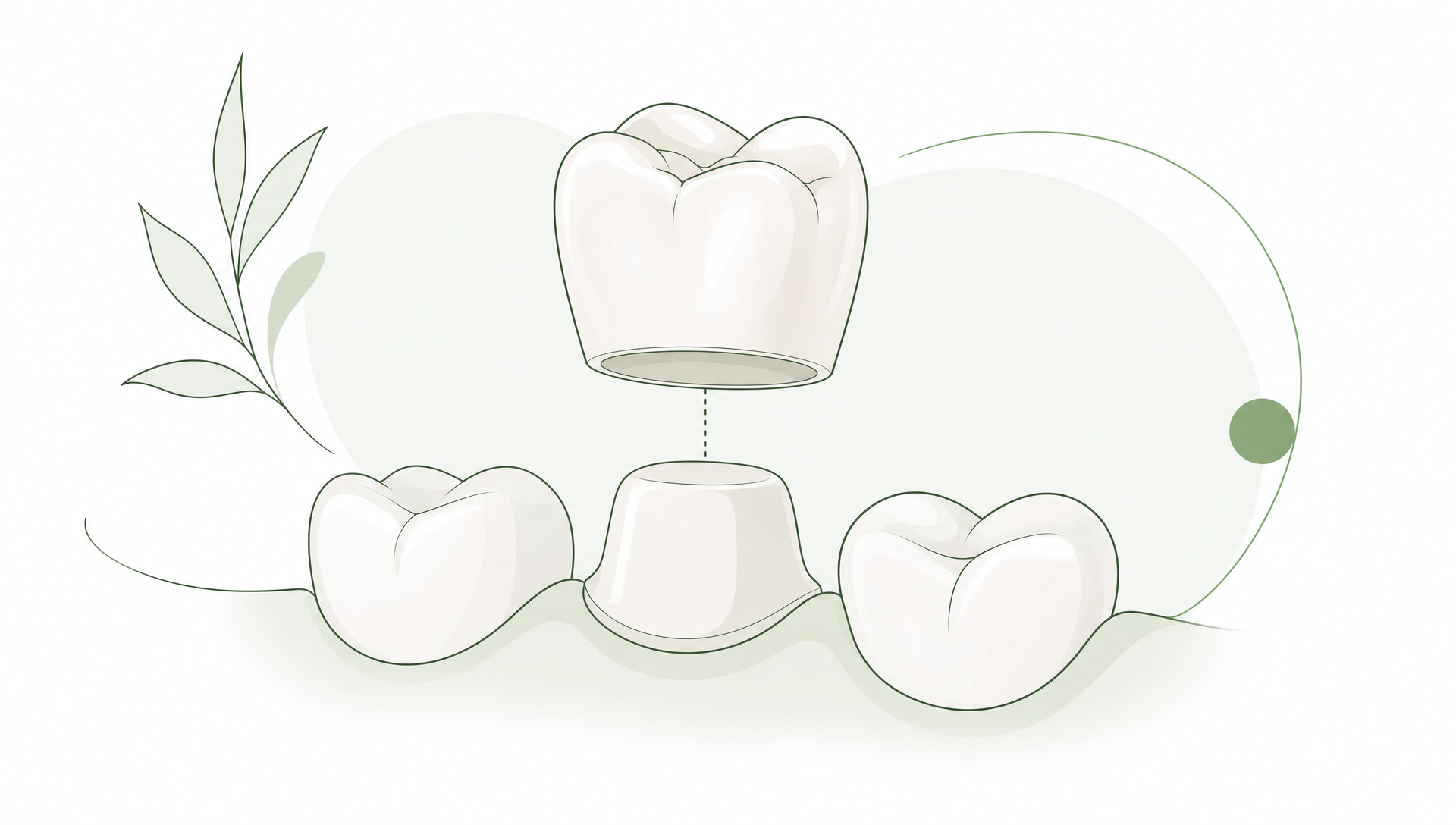
A dental crown covers the visible part of a tooth, improving strength, shape and appearance. While crowns are often considered restorative, they can also have a strong cosmetic benefit, especially when a tooth is cracked, heavily filled, worn down, root canal treated or noticeably different from the surrounding teeth.
Crowns can be made from different materials, including tooth-coloured ceramic options designed to blend with your natural smile. Some dental clinics offer same-day crowns, which can reduce the need for multiple appointments in suitable cases.
A crown may be recommended instead of a veneer when a tooth needs more protection, not just a cosmetic surface improvement. If you are unsure why a crown might be chosen, this overview of reasons to choose a dental crown explains some of the common situations where crowns can help.
Orthodontics and clear aligners
Not every smile transformation involves changing the tooth surface. Sometimes, the biggest improvement comes from moving teeth into a better position.
Orthodontic treatment can help with crowding, spacing, rotated teeth, protruding teeth and some bite issues. Depending on your situation, this may involve braces, clear aligners or another orthodontic approach recommended by your dentist or specialist.
Straightening teeth can improve smile aesthetics, but it can also make oral hygiene easier. Crowded areas often trap plaque and are harder to floss, so improving alignment may support long-term dental health as well as appearance.
For adults, clear aligners are often appealing because they are removable and discreet. However, they still require commitment. You need to wear them as instructed, keep them clean and attend review appointments. If your case is complex, aligners may not be the only option.
Orthodontics can also be part of a cosmetic sequence. For example, aligning teeth before veneers may allow for a more conservative result because less reshaping is needed.
Dental implants for missing teeth
A missing tooth can affect much more than appearance. It can change how you chew, how your teeth meet, and how confident you feel when smiling. Dental implants are a common long-term option for replacing missing teeth.
An implant is placed in the jawbone and supports a crown, bridge or denture, depending on how many teeth are being replaced. When suitable, an implant-supported tooth can look and feel close to a natural tooth because it is fixed rather than removable.
Implants are not instant cosmetic fixes. They require careful assessment of bone, gums, medical history and oral hygiene. Some patients need preliminary treatment before an implant can be placed. However, for the right person, implants can provide a highly transformative result, particularly when replacing a front tooth or stabilising a smile affected by several missing teeth.
If you have a missing tooth, it is worth discussing your options early. Leaving a gap for too long can allow neighbouring teeth to drift, which may make future treatment more complex.
Gum contouring and smile proportions
Sometimes teeth are healthy and well shaped, but the gumline makes the smile look uneven. A “gummy” smile, short-looking teeth or an asymmetrical gumline can affect overall balance.
Gum contouring, also known as gum reshaping, may be considered in selected cases to adjust the gumline. It is not appropriate for everyone, and the cause of the gum display matters. For example, a gummy smile may relate to tooth eruption, jaw position, lip movement or gum overgrowth.
Because gum tissue frames the teeth, even small changes can influence the whole smile. Your dentist can advise whether gum reshaping, orthodontics, restorative treatment or another approach is most appropriate.
Full smile makeovers
A smile makeover is a customised plan that combines cosmetic dental procedures to achieve a broader result. It may include whitening, veneers, crowns, orthodontics, implants, gum treatment or replacement of old restorations.
The key word is “plan”. A good smile makeover is not just a collection of treatments. It considers how your teeth fit together, how your smile moves when you speak, how much tooth shows at rest, and what will be maintainable for you over time.
Smile makeover planning may include photographs, scans, X-rays, shade selection and a detailed discussion about your goals. Some patients want a bright, polished smile. Others want subtle changes that look like they were born with naturally even teeth. Neither goal is wrong, but your dentist needs to understand your preference before treatment begins.
How to choose the right cosmetic dental procedure
If you are comparing cosmetic dental procedures, start by identifying what bothers you most. Is it the colour of your teeth, their shape, their position, missing teeth or old dental work? Then consider whether you want a small refresh or a more comprehensive transformation.
A helpful way to think about your options is to match the concern with the level of change required.
| Your main concern | Possible options to discuss |
|---|---|
| Teeth look yellow or stained | Professional whitening, replacement of stained restorations |
| Small chips or rough edges | Composite bonding, enamel reshaping, veneers |
| Uneven tooth shape or size | Veneers, bonding, crowns |
| Crooked or crowded teeth | Orthodontics, clear aligners, sometimes veneers after alignment |
| Missing tooth or teeth | Dental implants, bridges, dentures |
| Old crowns or fillings look obvious | Crown replacement, tooth-coloured restorations |
| Smile looks unbalanced | Combination planning, gum assessment, orthodontics or veneers |
It is also important to think about longevity and maintenance. Whitening needs topping up. Bonding may need polishing or repair. Veneers and crowns can last for years, but still require excellent home care and regular dental visits. Implants need healthy gums and careful cleaning, just like natural teeth.
Cost is another practical consideration. Fees vary because every case is different, and treatment plans depend on materials, complexity and the number of teeth involved. All About Smiles offers flexible payment options, so patients can discuss treatment planning in a way that suits their needs.
What results can you realistically expect?
Modern cosmetic dentistry can produce beautiful results, but it should still respect the biology of your mouth. The most successful outcomes are healthy, functional and natural-looking, not just bright in photos.
A realistic result depends on factors such as enamel thickness, existing fillings, bite forces, gum health, tooth position and your oral habits. If you clench or grind, your dentist may recommend a night guard after treatment to protect veneers, crowns or bonding. If you drink coffee daily or smoke, whitening and composite bonding may stain sooner.
You should also expect a conversation about risk. Every dental treatment has benefits and limitations. Your dentist should explain what is reversible, what is long lasting, what requires tooth preparation, and what maintenance will be needed.
Caring for your new smile
Once your smile has been transformed, maintenance becomes the difference between short-term excitement and long-term satisfaction. Cosmetic dentistry still needs the same fundamentals as natural teeth: brushing, flossing, regular dental check-ups and a sensible diet.
To protect cosmetic dental work, avoid biting hard objects such as pens, fingernails and ice. Wear a mouthguard for contact sport and discuss a night guard if you grind your teeth. Keep up with professional cleans, especially around crowns, veneers, implants and orthodontic retainers.
If you have whitening, ask your dentist how to maintain the shade safely. If you have veneers, bonding or crowns, do not assume whitening products will change their colour. Planning ahead helps avoid mismatched shades later.
Frequently Asked Questions
What cosmetic dental procedures make the biggest difference? Veneers, crowns, orthodontics and dental implants can create significant changes because they can alter shape, position or replace missing teeth. Whitening can also be very effective when tooth colour is the main concern.
Is teeth whitening safe? Professional whitening is generally considered safe for suitable patients when supervised by a dental professional. A check-up is important first because decay, gum recession, cracks or existing restorations can affect comfort and results.
Are veneers better than bonding? Veneers may offer greater durability and stain resistance, while bonding is often more conservative and useful for smaller changes. The better option depends on your teeth, goals, budget and bite.
Can cosmetic dentistry fix crooked teeth? Mild cosmetic concerns may sometimes be improved with bonding or veneers, but true crowding or bite issues are often better treated with orthodontics or clear aligners. Your dentist can advise which approach is healthier and more stable.
How long do cosmetic dental procedures last? Longevity varies by treatment, material, oral hygiene, bite forces and habits. Whitening needs maintenance, bonding may need repairs, and crowns or veneers can last for many years with good care.
Can I get a smile makeover if I have dental anxiety? Yes, many anxious patients explore cosmetic dentistry. Let your dental team know early so they can explain each step, plan appointments at a comfortable pace and discuss ways to make treatment feel more manageable.
Ready to explore your smile options?
If you are considering cosmetic dentistry, the best first step is a personalised assessment. All About Smiles provides general and cosmetic dental care across Ettalong and Kincumber, with options including veneers, orthodontics, dental implants, crowns and other treatments depending on your needs.
To find out which cosmetic dental procedures may suit your smile, book a consultation with All About Smiles and discuss a plan that feels comfortable, realistic and tailored to you.
Disclaimer
The information provided on this website is for general informational and educational purposes only. It is not intended to replace professional dental advice, diagnosis or treatment. Dental needs and treatment outcomes vary between individuals. Always seek advice from a qualified dental practitioner regarding your specific circumstances before making decisions about your oral health or treatment. A consultation and clinical assessment are required to determine which treatment options may be suitable for you. All dental procedures carry potential risks and benefits, which will be discussed with you before treatment.