
How Your Dentist Checks for Early Signs of Gum Problems
28 September 2026
Bleeding gums, tenderness or a change in how your gums look can be easy to dismiss, especially if it only happens now and then. During a routine check-up, your dentist looks for early signs of gum problems before they become harder to manage. This usually involves a conversation about symptoms, a close look at the gums, gentle measuring around the teeth and, when clinically needed, dental X-rays.
Gum checks are not only for people with obvious pain. Gum inflammation can be mild at first and may not feel uncomfortable. A dental assessment can help identify whether changes are linked to plaque build-up, brushing technique, medical factors or something else that needs attention.
Why early gum problems matter
Gum problems often begin with gingivitis, which means inflammation of the gums. It can be associated with plaque, a sticky film of bacteria that collects around the gumline. Common signs include bleeding when brushing or flossing, redness, swelling and gums that feel tender.
If inflammation is not managed, some people may develop periodontitis, a more advanced form of gum disease that can affect the tissues supporting the teeth. Not everyone with bleeding gums has advanced gum disease, but bleeding is a useful signal that the area deserves attention.
Healthdirect explains gum disease as a condition affecting the gums and supporting structures around the teeth. The exact care needed depends on the cause, severity, medical history and how well the gums respond to home care and professional treatment.
A gum check gives your dentist a clearer view of what is happening beneath the surface appearance of the gums. It also provides a baseline, so changes can be monitored over time rather than guessed from symptoms alone.
What your dentist looks for during a gum check
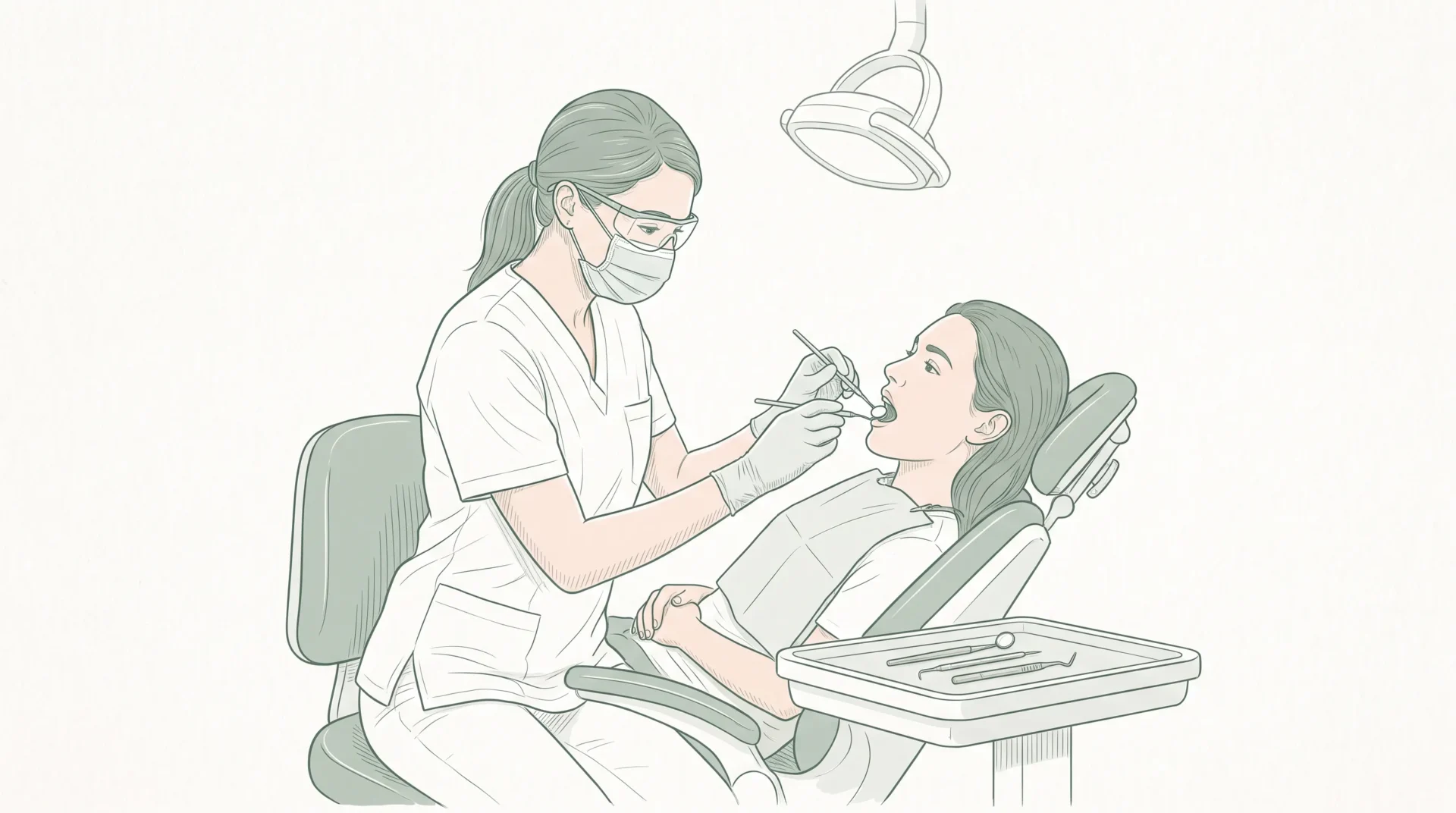
A gum assessment usually starts with a visual examination. The dentist looks at the colour, shape and texture of the gums, as healthy gums often have a firm appearance and sit neatly around the teeth. Inflamed gums may look red, swollen or shiny.
The dental team may also look for plaque and calculus, commonly called tartar. Plaque is soft and can often be removed with thorough brushing and cleaning between the teeth. Calculus is hardened plaque and usually needs professional instruments to remove it safely.
During the appointment, your dentist may also check whether the gums bleed when gently touched or measured. Bleeding during a dental examination does not automatically mean there is a serious problem, but it can indicate inflammation in that area.
Other signs that may be assessed include gum recession, food trapping, changes in tooth position, sensitivity near the gumline and bad breath that does not improve with usual oral hygiene.
| Finding during a gum check | What it may suggest | How it is assessed |
|---|---|---|
| Bleeding gums | Inflammation around the gumline | Gentle probing and visual examination |
| Plaque or calculus | Areas that are difficult to clean | Dental mirror, instruments and professional assessment |
| Gum recession | Loss of gum coverage around a tooth | Visual check and measurement |
| Deeper gum spaces | Possible loss of support around teeth | Periodontal probing |
| Tooth mobility | Changes in supporting tissues or bite forces | Gentle movement testing and bite assessment |
How periodontal probing helps find early changes
Periodontal probing is one of the main ways your dentist checks the small spaces between the teeth and gums. A periodontal probe is a fine measuring instrument marked in millimetres. It is placed gently between the gum and tooth to measure the depth of the gum space.
This process helps identify areas where the gum is inflamed or where support around a tooth may have changed. The dentist may record measurements around several points of each tooth, especially if there are signs of gum disease, bleeding or previous periodontal concerns.
Some people notice mild tenderness during probing, particularly where gums are inflamed. If you feel uncomfortable, let the dental team know so they can pause, explain what is happening and adjust the approach where appropriate.
Probing does not diagnose everything by itself. The measurements are considered alongside bleeding, plaque levels, gum recession, X-rays, medical history and other findings. This combined picture helps guide whether home care advice, a professional clean, closer monitoring or further periodontal treatment may be appropriate.
When dental X-rays may be recommended
Not every gum check needs X-rays. They may be recommended when your dentist needs more information about the bone levels around the teeth, areas between teeth that cannot be seen directly or possible causes of symptoms such as pain, swelling or tooth movement.
Dental X-rays are used selectively, based on clinical need. They can show changes that are not visible during a visual examination, including bone loss linked with more advanced gum disease. They may also help assess fillings, crowns, tooth roots and areas where infection or other concerns are suspected.
If X-rays are suggested, you can ask why they are needed, what they may show and whether there are alternatives. As with any dental procedure, the benefits and limitations should be considered for your individual circumstances.
Questions that help assess your gum health risk
A gum assessment is not only about looking inside the mouth. The questions your dentist asks can help identify factors that may influence gum health or change the way care is planned.
You may be asked about bleeding when brushing, tenderness, bad breath, loose teeth, smoking or vaping, diabetes, pregnancy, medications, dry mouth and previous gum treatment. These details matter because gum health can be affected by general health, hormones, saliva flow, immune response and daily oral hygiene habits.
It is also useful to mention if you find flossing difficult, avoid certain areas because they bleed or feel unsure about which interdental brushes to use. The goal is not to judge your routine. It is to work out what is realistic for your mouth, your dexterity and the spaces between your teeth.
If you are preparing for a first appointment or have several concerns to discuss, All About Smiles has a guide on how to prepare for a dental consultation that may help you organise symptoms, questions and relevant health information before you attend.
What may happen if early gum changes are found
If early gum changes are found, your dentist will usually explain what they can see, what may be contributing to the problem and what options may be considered. The recommendation depends on the extent of inflammation, whether calculus is present, your medical history and whether there are signs of deeper periodontal involvement.
For mild gingival inflammation, care may include oral hygiene advice, a professional clean and review of brushing and interdental cleaning technique. If there are deeper gum pockets, significant calculus or signs of bone loss, further periodontal care may be discussed. In some cases, referral to a dentist with a particular interest in gum care or a registered specialist periodontist may be appropriate.
A professional clean can remove plaque and calculus from areas that are difficult to reach at home. It does not replace daily cleaning, but it can support gum health when combined with consistent brushing and cleaning between the teeth.
All dental procedures have potential benefits and limitations. Gum treatment outcomes vary between patients and depend on factors such as the stage of disease, smoking status, diabetes control, oral hygiene, anatomy and attendance for recommended reviews. A clinical assessment is needed before any treatment plan can be recommended.
For a broader look at routine check-ups, cleans and preventive care, you can read about general dental services for everyday oral health.
Looking after your gums between dental visits
Between appointments, your dentist may suggest changes to help reduce plaque build-up around the gumline. For many people, small technique changes make a noticeable difference to how clean the teeth and gums feel.
Daily gum care often includes brushing twice a day with fluoride toothpaste, angling the toothbrush bristles gently toward the gumline and cleaning between the teeth with floss or interdental brushes. Interdental brushes can be helpful where there are larger spaces, but the right size matters because a brush that is too large may irritate the gums.
If your gums bleed when you first improve your cleaning routine, do not assume you should stop. Bleeding can happen where gums are inflamed. However, if bleeding continues, worsens or is associated with pain, swelling or looseness, arrange a dental assessment.
Diet, smoking, dry mouth and general health can also influence gum health. If you smoke or vape, reducing or quitting may support oral and general health. If you live with diabetes, maintaining your diabetes care plan can be relevant to gum health as well.
For practical home care tips, All About Smiles has further advice for healthy gums that covers everyday habits in more detail.
When to book a gum assessment sooner
You do not need to wait for a routine check-up if something has changed. Consider booking an appointment if you notice bleeding that persists, swelling, pus, a bad taste, gums pulling away from the teeth, loose teeth, increasing spaces between teeth or pain when biting.
Prompt assessment is also sensible if you have facial swelling, fever, difficulty swallowing or rapidly worsening pain, as these symptoms may need urgent dental or medical attention.
A gum assessment does not mean you will automatically need complex treatment. It means your dentist can check what is happening, discuss possible causes and explain suitable next steps based on your mouth and overall health.
Frequently asked questions
Do bleeding gums always mean gum disease? Bleeding gums can be a sign of gum inflammation, but the cause can vary. Brushing technique, plaque build-up, hormonal changes, medications and other health factors may contribute. A dental assessment can help identify what is most likely in your situation.
Is periodontal probing painful? Many people tolerate periodontal probing well, though inflamed gums can feel tender during measurement. If an area is uncomfortable, tell the dental team so they can pause and adjust where appropriate.
How often should my gums be checked? The timing depends on your oral health, gum history, risk factors and previous findings. Some people are suitable for routine check-ups at longer intervals, while others may need more frequent monitoring. Your dentist can discuss a recall schedule after assessing your gums.
Can gum problems be managed at home without seeing a dentist? Good brushing and cleaning between the teeth are important, but home care cannot remove hardened calculus or assess bone levels. If symptoms persist or you are unsure what is happening, a professional assessment is the safer next step.
Will a dental clean fix gum problems? A clean may help manage plaque and calculus, particularly in early gum inflammation, but it is not a guaranteed solution for every gum concern. More advanced gum disease may require additional care, monitoring or referral depending on individual findings.
Discuss gum concerns with All About Smiles
If you have noticed bleeding, tenderness, gum recession or changes around your teeth, you can arrange an assessment with All About Smiles. The team sees patients at both the Ettalong and Kincumber locations on the NSW Central Coast.
To discuss your concerns and find out what may be suitable for your circumstances, you can book an appointment with All About Smiles. A dentist can assess your gums, explain the findings in plain language and discuss appropriate options without assuming that every patient needs the same care.
Disclaimer
The information provided on this website is for general informational and educational purposes only. It is not intended to replace professional dental advice, diagnosis or treatment. Dental needs and treatment outcomes vary between individuals. Always seek advice from a qualified dental practitioner regarding your specific circumstances before making decisions about your oral health or treatment. A consultation and clinical assessment are required to determine which treatment options may be suitable for you. All dental procedures carry potential risks and benefits, which will be discussed with you before treatment.