
How to Choose a Dentist on the Central Coast
26 August 2026
Choosing a dental clinic is easier when you know what to look for before you book. If your search started with “dentist Central Coast”, the main things to compare are professional registration, the type of care available, how clearly the team communicates, access to appointments and whether the practice feels suitable for your needs.
For many people, the decision is not just about one appointment. A dentist may support routine check-ups, children’s visits, urgent concerns, restorative treatment, cosmetic options or longer-term care as your needs change. The right fit depends on your oral health, preferences, medical history, budget and location.
All About Smiles sees patients at both Ettalong and Kincumber, giving Central Coast patients two local practice locations to consider when arranging dental care.
Finding a dentist Central Coast patients can return to
A good starting point is to think about the type of relationship you want with a dental practice. Some people need a one-off appointment for a chipped tooth or toothache. Others are looking for ongoing preventive care for the whole family, or they may want to discuss cosmetic treatment after their oral health has been assessed.
A practice suited to ongoing care should make it simple to ask questions, understand treatment options and plan appointments around real life. If you want a more detailed look at regular check-ups and preventive planning, All About Smiles has also published a guide to choosing a Central Coast dentist for ongoing care.
The practical checklist below can help you compare dental clinics without relying on advertising claims alone.
| What to check | Why it matters | Helpful question to ask |
|---|---|---|
| Professional registration | Dental practitioners in Australia must be registered to practise | “Who will be providing my care, and are they registered?” |
| Services available | Your needs may include prevention, emergency care, children’s dentistry or restorative treatment | “Do you provide the type of appointment I need?” |
| Communication style | Clear explanations support informed decisions | “Will I be given options, risks and costs before treatment?” |
| Access and location | Convenient appointments can make regular care easier to maintain | “Which appointment times and practice location suit my situation?” |
| Fees and payment options | Written quotes help you plan without pressure | “Can I receive an estimate before deciding?” |
Check registration and professional standards
In Australia, dentists and other dental practitioners are regulated health professionals. You can check a practitioner’s registration through the AHPRA public register. This is a useful step if you are new to an area, changing practices or considering a treatment that feels unfamiliar.
Registration does not mean every practitioner provides every type of treatment. Some dental care can be provided by general dentists, oral health therapists, dental hygienists or dental specialists, depending on the procedure and the practitioner’s scope of practice. If a practice uses the word “specialist”, that practitioner should be registered in the relevant dental specialty.
For most routine dental needs, you do not need to understand every registration category before booking. It is reasonable to ask who you will see, what their role is and whether your concern is appropriate for that appointment.
Look for services that match your likely needs
A dental practice does not need to offer every possible treatment to be a good fit. It should, however, be able to explain what it can assess, what it can provide and when a referral may be appropriate.
Common services people look for include:
- Check-ups, cleans and preventive advice
- Fillings, crowns and care for broken or worn teeth
- Gum health checks and support for bleeding gums
- Children’s dental visits
- Emergency dental appointments for toothache, swelling or trauma
- Cosmetic options such as whitening, bonding, veneers or orthodontic discussions
- Dental implants or replacement options for missing teeth
- Root canal therapy when a tooth nerve is inflamed or infected
All About Smiles offers general, emergency, children’s, cosmetic and advanced dental treatments. If you are unsure whether a particular treatment is suitable, a consultation is usually the first step. Your dentist can assess your mouth, discuss options and explain the possible benefits, limitations and risks.
For a broader overview of everyday care, this explanation of general dental services for oral health may help you understand what is commonly included in routine dental treatment.
Pay attention to how options are explained
Clear communication is one of the most useful signs of a patient-centred dental practice. Before agreeing to treatment, you should have the opportunity to understand what has been found, what might happen if you wait, what options are available and what each option may involve.
A helpful explanation usually includes:
- The reason treatment may be recommended
- Whether the issue is urgent or can be monitored
- The expected appointment steps
- Possible risks and limitations
- Alternative options, including doing nothing where clinically reasonable
- Costs, timing and maintenance needs
Be cautious of any dental advertising or consultation that suggests one treatment suits everyone, guarantees a result or creates pressure to proceed before you have had time to consider your options. Dental treatment is personal. Suitability depends on factors such as gum health, tooth structure, bite, bone levels, medical history, oral hygiene, habits such as grinding and your own treatment goals.
Consider location, access and appointment practicalities
Convenience matters because dental care is often easier to maintain when appointments fit into your week. A clinic might be suitable clinically but difficult to attend if the travel time, parking, opening hours or booking process do not work for you.
When choosing a dentist on the Central Coast, consider whether the practice location is practical for routine care and unexpected concerns. All About Smiles has two locations, one in Ettalong and one in Kincumber. This may be helpful for patients living or working across different parts of the Central Coast, though you should confirm appointment availability and service suitability when booking.
It can also be worth checking whether online booking is available, how the practice handles urgent dental concerns and whether reception can give clear information about what to bring to your first visit.
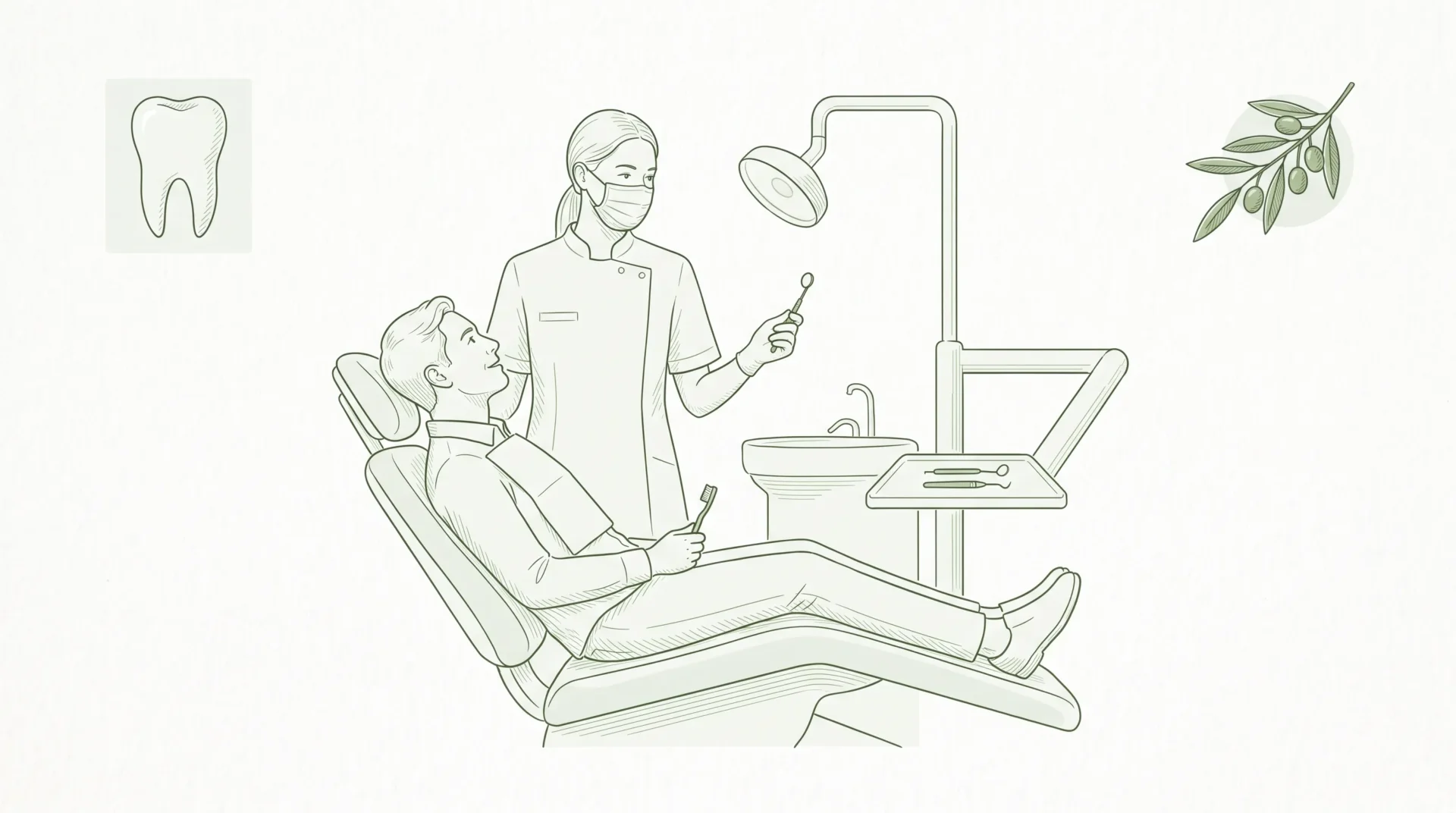
Ask about costs before treatment begins
Dental fees can vary because patients have different needs and treatment plans. A simple check-up is different from a filling, crown, root canal, implant consultation or cosmetic treatment plan. The fairest way to understand cost is to have an assessment, then ask for a written estimate before deciding.
If you have private health insurance, the amount you can claim may depend on your fund, level of cover, waiting periods and annual limits. Your dental team may be able to provide item numbers so you can check your likely rebate with your insurer.
All About Smiles offers flexible payment options. This can help some patients plan care over time, although payment arrangements, eligibility and suitability should be confirmed directly with the practice. It is sensible to ask about staged treatment plans if several issues need attention. In many cases, your dentist can explain what is more urgent, what can be monitored and what can be planned later.
If you are considering cosmetic dentistry, start with oral health
Cosmetic dentistry can include whitening, bonding, veneers, crowns, orthodontic treatment or replacing missing teeth. These options may help improve the appearance of teeth in suitable cases, but they are not appropriate for everyone and they should not be considered in isolation from oral health.
Before cosmetic treatment, a dentist will usually assess concerns such as decay, gum inflammation, enamel wear, cracks, bite forces and existing restorations. For example, whitening may not change the colour of crowns or fillings, veneers require careful planning and orthodontic treatment may not be suitable without healthy gums.
If your main reason for searching is cosmetic, you may find this guide on how to choose a cosmetic dentist on the Central Coast useful. It covers smile goals, treatment planning and why oral health should be considered first.
Think about family needs, not just your own appointment
If you are choosing a dental practice for a household, it helps to think about different ages and needs. Children may benefit from familiar, calm appointments that focus on prevention and routine. Teenagers may need advice about sports mouthguards, wisdom teeth, orthodontic concerns or diet habits. Adults may be managing restorations, gum health, pregnancy-related oral health changes or tooth wear. Older adults may have crowns, bridges, implants, dentures or dry mouth concerns linked to medications.
A family dental practice should be able to explain age-appropriate care in plain language. It should also respect that each person may feel differently about dental visits. Some patients want detailed explanations. Others prefer short, practical information. Some feel nervous because of previous experiences, cost concerns or fear of discomfort.
A good consultation does not dismiss these concerns. It allows time to discuss them and plan care in a way that is realistic for the patient.
Know when not to wait for a routine appointment
Not every dental issue is urgent, but some symptoms should be assessed promptly. Contact a dentist as soon as practical if you have facial swelling, severe or worsening toothache, a knocked-out adult tooth, dental trauma, uncontrolled bleeding, fever with dental pain or difficulty opening your mouth or swallowing.
For less severe concerns, such as mild sensitivity, a chipped tooth without pain, bleeding gums when brushing or a lost filling, a dental appointment is still worthwhile. These problems may not always need immediate treatment, but assessment can help identify the cause and reduce the chance of the issue becoming more complex.
If you are unsure whether your concern needs urgent attention, describe your symptoms clearly when you contact the practice. The team can advise whether an emergency dental appointment or a routine booking is more appropriate.
What to expect at a first appointment
A first dental visit is usually about understanding your current oral health and what you want help with. Depending on your reason for attending, your appointment may include a discussion of your dental and medical history, an examination of your teeth and gums, X-rays if clinically indicated and a conversation about findings.
If treatment is recommended, you should be able to ask questions before making a decision. Informed consent is not just signing a form. It means you have been given information about the proposed treatment, alternatives, likely costs and relevant risks in a way you can understand.
You can also ask practical questions such as how long an appointment may take, whether local anaesthetic is usually used, how to care for the area afterwards and what maintenance may be needed over time.
A simple decision checklist before booking
Before choosing a dental practice, it may help to pause and ask yourself:
- Is the practitioner appropriately registered?
- Does the practice provide the type of care I am likely to need?
- Are treatment options explained without pressure?
- Can I get a written estimate before proceeding?
- Is the location practical for routine and unexpected visits?
- Does the team communicate in a way that suits me or my family?
- Are risks, limitations and alternatives discussed clearly?
You do not need to have all the answers before booking. The purpose of an appointment is to assess your situation and talk through suitable options.
Frequently Asked Questions
How do I know if a dentist is registered in Australia? You can search for a dental practitioner on the AHPRA public register. If you are unsure who will be providing your care, ask the practice for the practitioner’s name and role before your appointment.
Should I choose a dentist close to home or work? Choose the option that makes regular care practical. A convenient location can make it easier to attend check-ups, follow-up appointments and urgent visits when needed.
What should I ask before agreeing to dental treatment? Ask why the treatment is recommended, what alternatives are available, what risks or limitations apply, how much it may cost and whether the issue is urgent or can be monitored.
Can one dentist look after both general and cosmetic concerns? Many general dentists can assess both oral health and cosmetic concerns, but suitability depends on your individual situation. Some cases may require additional planning or referral.
Do I need X-rays at my first visit? Not always. Dental X-rays are recommended when they are clinically indicated, such as when a dentist needs more information about decay, infection, bone levels, tooth position or previous dental work.
Speak with a Central Coast dental team
If you are comparing dental practices, focus on registration, clear communication, suitable services, practical access and a treatment approach that respects your circumstances.
To discuss your dental concerns, you can book an appointment with All About Smiles at either the Ettalong or Kincumber location. The team can assess your oral health, explain suitable options and answer questions before you decide how you would like to proceed.
Disclaimer
The information provided on this website is for general informational and educational purposes only. It is not intended to replace professional dental advice, diagnosis or treatment. Dental needs and treatment outcomes vary between individuals. Always seek advice from a qualified dental practitioner regarding your specific circumstances before making decisions about your oral health or treatment. A consultation and clinical assessment are required to determine which treatment options may be suitable for you. All dental procedures carry potential risks and benefits, which will be discussed with you before treatment.