
A Family Dental Care Routine for Every Age
19 August 2026
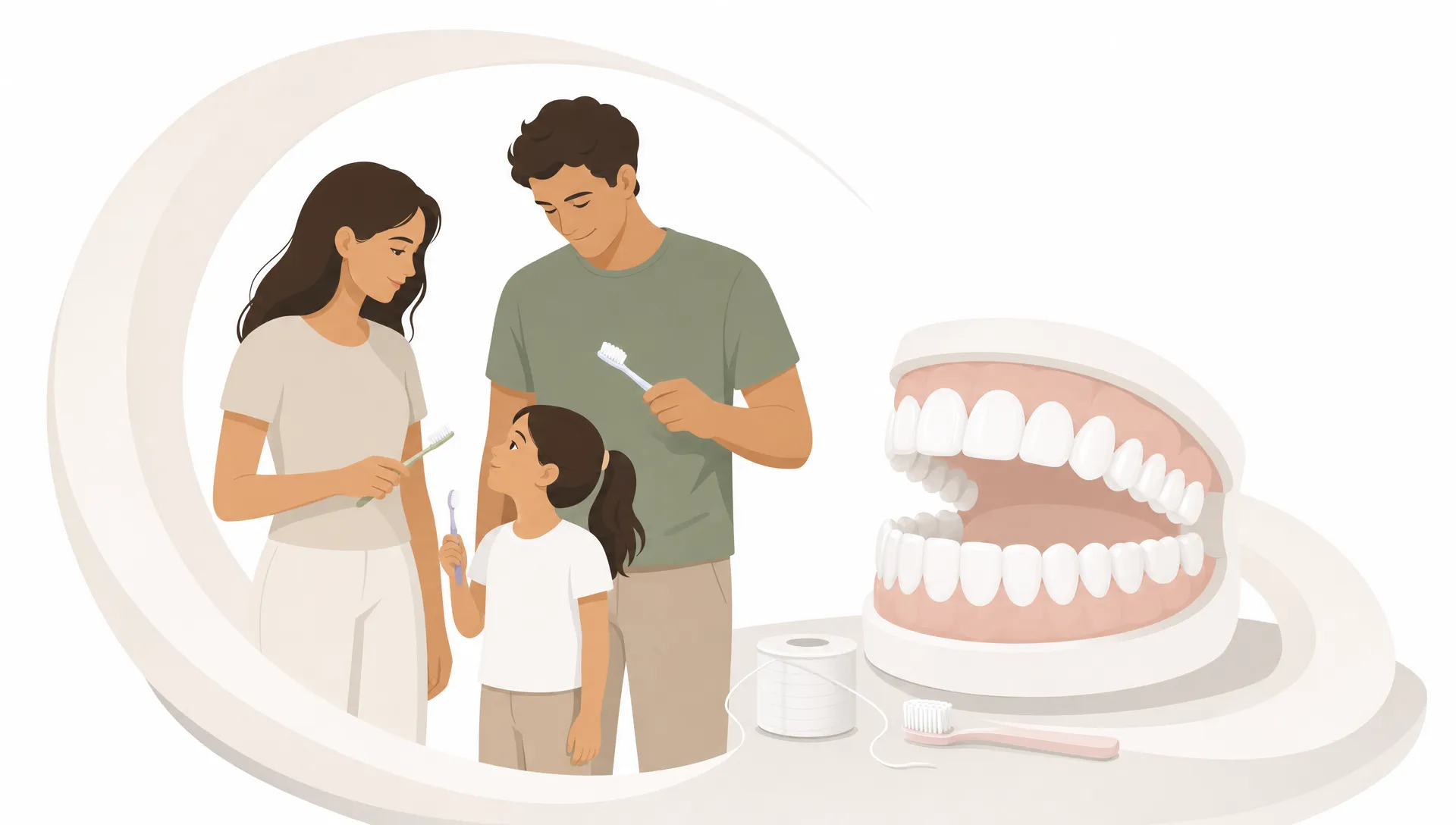
Most households do not need a complicated dental schedule. A practical family dental care routine is simply a set of daily habits that changes with age, from caring for a baby’s first teeth through to supporting older relatives with dry mouth, dentures or reduced hand strength.
The aim is not to make dental care feel like another difficult chore. It is to make the basics repeatable: brush well, clean between teeth where appropriate, choose tooth-friendly foods and drinks, and see a dentist at intervals that suit each person’s oral health.
The basics of a family dental care routine
For many families, the most useful routine is the one everyone can remember. It should be simple enough for busy school mornings, shift work, sport, homework, travel and tired evenings.
A good foundation usually includes:
- Brushing twice daily with fluoride toothpaste, using an age-appropriate amount for children.
- Cleaning between teeth once a day once teeth are touching, using floss, interdental brushes or another option recommended by a dentist.
- Drinking tap water as the main drink, especially between meals.
- Keeping sugary and acidic foods and drinks to mealtimes where possible, rather than grazing throughout the day.
- Wearing a properly fitted mouthguard for contact sport or activities with a risk of dental injury.
- Booking dental check-ups at an interval recommended for each person, rather than assuming every family member needs the same schedule.
If you are building a routine from scratch, start with brushing technique and timing. A calm two-minute brush in the morning and at night is more valuable than a rushed routine with too many products. Families who want more detail on the day-to-day basics may find this All About Smiles guide to everyday dental habits for healthy smiles useful.
A family dental care routine by age
Oral health needs change as teeth erupt, adult teeth come through, gums mature, medical conditions change and manual dexterity varies. The table below gives a broad guide, but it does not replace personal advice from a dentist.
| Life stage | Main focus | Helpful routine habits |
|---|---|---|
| Babies and toddlers | First teeth, comfort, early habits | Gentle cleaning, avoiding bottles in bed, first dental visit when advised |
| Preschool and primary school children | Brushing skills, new teeth, diet habits | Supervised brushing, low-sugar snacks, water, flossing when teeth touch |
| Teenagers | Independence, sport, orthodontics, diet choices | Consistent brushing, mouthguards, awareness of acidic drinks, regular reviews |
| Adults | Gum health, decay prevention, restorations | Daily interdental cleaning, check-ups based on risk, prompt care for changes |
| Pregnancy | Gum changes, nausea, diet patterns | Gentle hygiene, dental advice if gums bleed, care with frequent snacking |
| Older adults | Dry mouth, medications, gum recession, dentures or implants | Tailored cleaning aids, denture care, support if hand strength changes |
Babies and toddlers: gentle care from the first tooth
A baby’s first teeth matter, even though they eventually fall out. Baby teeth help children chew, speak and hold space for adult teeth. They can also develop decay, so early care is important.
Before teeth appear, parents can gently wipe the gums with a clean, damp cloth if they wish. Once the first tooth comes through, a small soft toothbrush can be introduced. In Australia, toothpaste advice depends on age and individual decay risk, so it is sensible to follow current product directions and ask a dentist if you are unsure what is suitable for your child.
Avoid putting a baby or toddler to bed with a bottle of milk, formula or juice. When teeth are regularly exposed to sugars for long periods, the risk of decay can increase. If your child uses a bottle for comfort, speak with your dentist, GP or child health nurse about practical ways to transition.
A first dental visit is often recommended when the first tooth appears or by around the first birthday. This appointment is usually simple and focused on getting your child used to the dental setting, checking early development and giving parents practical advice.
Children: turning brushing into a skill, not a battle
Children usually need help with brushing for longer than many parents expect. Even when they want independence, their coordination may not be developed enough to clean all tooth surfaces well. Many children benefit from active supervision until around eight years of age, and some need help for longer.
Try to keep brushing predictable. Same place, same times, same sequence. For example, brush after breakfast and before bed, with a parent checking the back teeth, gumline and biting surfaces.
Children’s routines should also consider:
- New adult molars, which often erupt at the back of the mouth and can be missed.
- Lunchbox habits, including water, cheese, yoghurt, fruit and other tooth-friendly choices.
- Sports mouthguards, especially for contact sports or activities where falls are common.
- Flossing or interdental cleaning once teeth sit closely together.
If your child dislikes brushing, a smaller toothbrush head, different toothpaste flavour or brushing together as a family may help. Some families also find it useful to read age-appropriate information about dental care for children when they are building early habits at home.
Teenagers: supporting independence without letting habits slip
Teenagers often have busy schedules, more control over food and drinks, and less parental supervision. This is also the stage where orthodontic treatment, sport, part-time work, social activities and late nights can affect oral health routines.
The goal is to help teenagers understand why the routine matters, rather than simply telling them what to do. Acidic soft drinks, sports drinks and energy drinks can contribute to enamel wear, especially when sipped over a long period. Frequent snacking can also increase the number of times teeth are exposed to sugars and acids.
For teenagers with braces or aligners, cleaning takes extra time. Food and plaque can collect around attachments, wires or aligner edges. A dentist or orthodontic provider can advise on suitable brushes, floss threaders, interdental brushes or other aids.
If your teenager plays sport, ask about a custom-fitted mouthguard. It may help reduce the risk of dental injuries compared with playing without one, although no mouthguard can prevent every injury.
Adults: prevention, gum health and early attention to changes
For adults, dental care is often about preventing small issues from becoming more complex. Brushing is important, but gum health usually depends heavily on cleaning between the teeth as well. Toothbrush bristles cannot reliably clean the tight spaces between teeth, so floss or interdental brushes may be recommended.
Adults should also pay attention to changes, including bleeding gums, new sensitivity, chipped teeth, jaw soreness, bad breath that does not settle, or a filling or crown that feels different. These changes do not always mean something serious, but they are worth discussing with a dentist.
Pregnancy can also affect oral health. Hormonal changes may make gums more likely to bleed or feel tender, and nausea or frequent snacking can change the mouth’s acid exposure. Dental care can often continue during pregnancy, but it is important to let your dentist know you are pregnant or may be pregnant so care can be planned appropriately.
If you are choosing a dental practice for the whole household, continuity can be useful. Seeing the same practice over time can make it easier to track changes, compare X-rays where they are clinically needed and plan care around each person’s circumstances. All About Smiles has more guidance on choosing a Central Coast dentist for ongoing care.
Older adults: adapting the routine as needs change
Older adults may face oral health changes that are easy to overlook. Gum recession can expose root surfaces, which may be more sensitive and more vulnerable to decay. Some medicines can contribute to dry mouth, and saliva is important because it helps protect teeth and neutralise acids.
Dentures, implants, crowns and bridges also need ongoing care. They are not set-and-forget treatments. The gums, supporting teeth and surrounding tissues still need monitoring, and cleaning methods may need to be adjusted over time.
For older family members, the most helpful routine is often one that respects independence while making tasks easier. A larger-handled toothbrush, electric toothbrush, floss holder or interdental brush may be easier for someone with arthritis or reduced grip strength. If a carer helps with daily care, a dentist can explain what to clean and what signs to watch for.
Dry mouth, mouth ulcers, loose dentures, pain when chewing, unexplained bleeding or a sore spot that does not settle should be assessed. These symptoms can have many causes, and professional advice can help determine what is going on.
How to make dental care easier at home
Family routines work best when they fit real life. A routine that depends on everyone having plenty of time and patience is unlikely to last.
Try these practical approaches:
- Keep toothbrushes, toothpaste and floss where they are easy to see and reach.
- Use a two-minute timer, song or phone reminder if time tends to get cut short.
- Replace toothbrushes or electric brush heads when bristles splay, or after illness if advised.
- Keep spare toothbrushes in travel bags for sleepovers, holidays or shift work.
- Make water the default drink for school, work and sport.
- Book family check-ups ahead of time if school terms and work calendars become busy.
It is also reasonable to take a staged approach. If your household is not currently flossing, start with a few nights a week and build up. If a child resists brushing, focus first on making the habit calm and consistent, then improve technique.
What a family dental appointment may involve
A family dental appointment is not the same for every person. A toddler’s visit may be mostly about familiarisation and parent guidance. A teenager’s appointment may include discussion about wisdom teeth, orthodontic cleaning or sport. An older adult may need review of dry mouth, gum recession, dentures or existing dental work.
Depending on the person’s needs, a dentist may:
- Check teeth, gums, bite and soft tissues.
- Ask about symptoms, diet, medical history and medications.
- Recommend X-rays only when clinically appropriate.
- Provide cleaning or preventive treatment if suitable.
- Discuss home care technique and product choices.
- Explain treatment options if a problem is found.
All dental procedures carry potential benefits and risks. Recommendations should be based on an individual assessment, including oral health, medical history, age, anatomy, preferences and budget. If treatment is suggested, it is appropriate to ask what the options are, what may happen if treatment is delayed, what the likely costs are and whether a payment plan is available.
When to book a dental visit sooner
Routine check-ups are helpful, but some symptoms should be assessed earlier. Contact a dentist if you or a family member has persistent toothache, swelling, a broken tooth, a knocked tooth, ongoing bleeding gums, pain when biting, a lost filling, denture sores, or sensitivity that does not settle.
For facial swelling, difficulty breathing or swallowing, significant trauma, uncontrolled bleeding or severe symptoms, seek urgent medical or dental advice promptly. These situations should not wait for a routine appointment.
Frequently Asked Questions
How often should my family see a dentist? The right interval varies. Some people may be advised to attend every six months, while others may need more or less frequent care depending on decay risk, gum health, medical history, age and symptoms. Your dentist can recommend a recall schedule after an assessment.
When should children start brushing their own teeth? Children can practise brushing early, but most still need supervision and help for several years. Many children benefit from an adult checking their brushing until around eight years of age, and sometimes longer.
Is flossing necessary for children? Flossing or another form of interdental cleaning becomes more relevant once teeth touch and a toothbrush cannot clean between them. A dentist can show you the safest and easiest method for your child’s age and cooperation level.
What should we do if our family routine has slipped? Start again with the basics rather than trying to fix everything at once. Brush twice daily, make water the main drink, reduce frequent sugary snacking and book a dental check-up if it has been a while or symptoms are present.
Can the same dental routine work for every family member? The foundation is similar, but the details should change with age and individual needs. A child with new adult teeth, a teenager with braces, an adult with gum concerns and an older person with dry mouth may all need different advice.
Planning dental care for your household
A family dental care routine does not need to be strict or complicated. It needs to be consistent, age-appropriate and flexible enough to change as your household changes.
If you would like to discuss dental care for your family, you can book an appointment with All About Smiles. The team sees patients at both the Ettalong and Kincumber locations on the NSW Central Coast, and can discuss general dental care, children’s dentistry, emergency dental concerns and other treatment options based on individual assessment.
Disclaimer
The information provided on this website is for general informational and educational purposes only. It is not intended to replace professional dental advice, diagnosis or treatment. Dental needs and treatment outcomes vary between individuals. Always seek advice from a qualified dental practitioner regarding your specific circumstances before making decisions about your oral health or treatment. A consultation and clinical assessment are required to determine which treatment options may be suitable for you. All dental procedures carry potential risks and benefits, which will be discussed with you before treatment.